Some links on Girl Wonder Life are affiliate links. We may earn a commission if you buy through them, at no extra cost to you. Recommendations are editorial guidance, not claims of hands-on testing. Read our disclosure.
A clothing reference can begin as a useful page, photograph or note and later lose its connection to the actual wardrobe question. You remember liking a sleeve or outfit arrangement but not which garment you meant to review. Connect the reference to the specific item before saving more inspiration. Its usefulness comes from clear context rather than the size of the folder.
Name the real question
Decide what the reference helps you consider. A neckline arrangement, a product identity and an ordinary wearing role are different questions. Keep the purpose in plain language rather than expecting an attractive image to explain itself later.
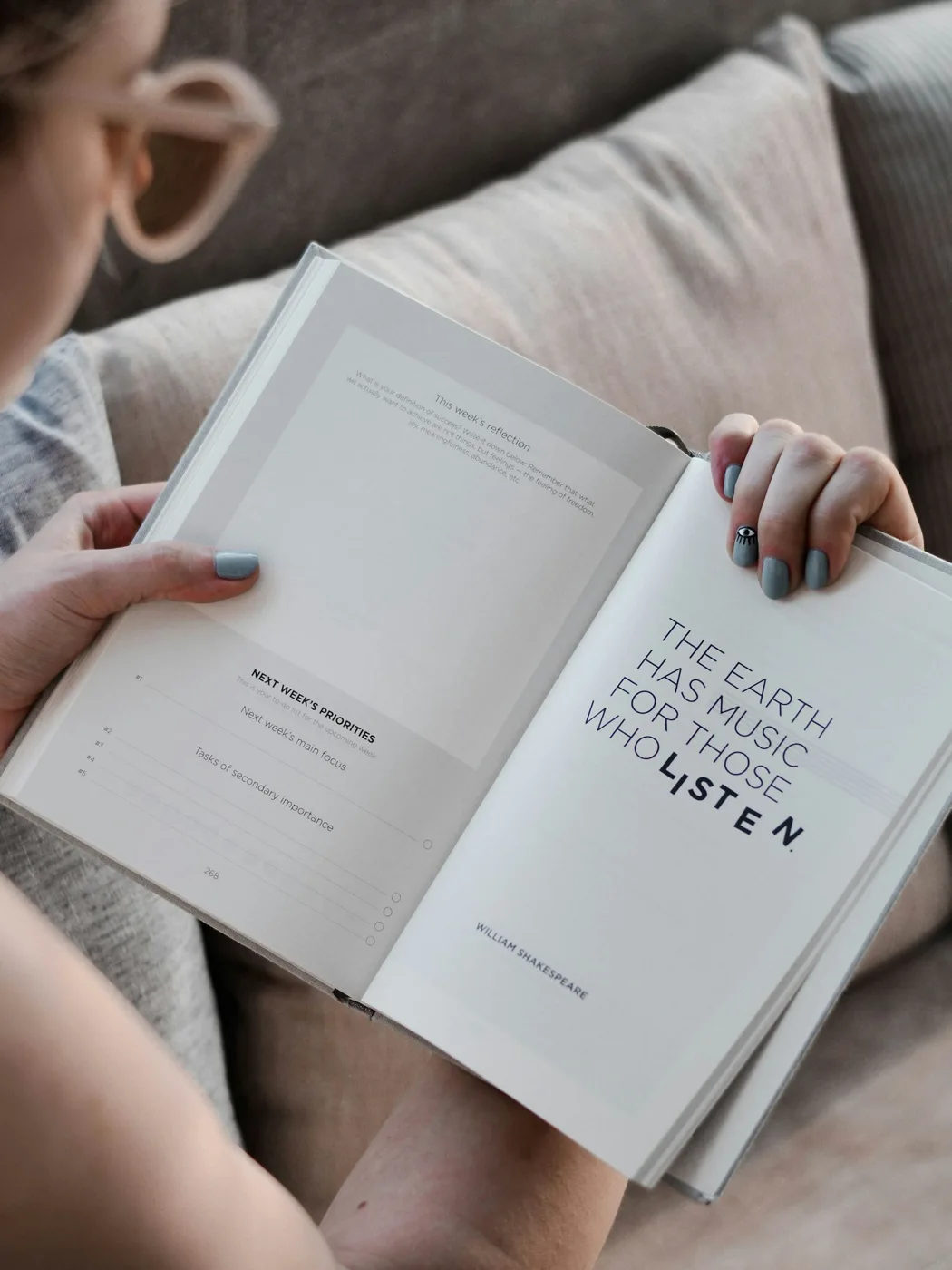
Identify the actual garment you own or are considering. Preserve the precise product information where known and distinguish it from a general inspiration source. A page held in somebody’s hands can illustrate reading, but it does not establish the content or authority of your own reference.
Preserve source boundaries
Keep the source and relevant supplied context where appropriate. Distinguish an author’s factual description from your own visual observation. If the source does not identify a maker, material or date, do not supply those details from resemblance alone.
Use images and text only in a context you are entitled to save or share. A modest private note can serve a personal wardrobe decision without becoming public content. Preserve privacy when another person or unrelated personal information appears in a reference.
Connect the observation with actual clothing
Describe the specific detail you want to explore using your own garments. A familiar jacket may help you try an opening or layer relationship without reproducing the photographed outfit precisely. Keep the result personal and limited.
Read relevant guidance for the products you actually use. Inspiration does not transfer care instructions or construction between different garments. Preserve an unanswered relevant question instead of allowing the reference to fill a gap it never addressed.
Review through ordinary use
Try suitable existing pieces in a comfortable space with gentle ordinary movement. Include real shoes, layers and the intended bag within product guidance. A still image records one moment rather than evidence that your combination will serve a whole activity.
Keep colour comparisons approximate where photographs are involved. Lighting and screens can influence appearance. Actual product names and written information should remain accessible for identity questions rather than relying on a remembered shade.
Keep the record useful
Write a short result beside the source: the garment tried, the arrangement and any specific limitation. Remove unexplained duplicates that no longer answer different questions. Update active ownership information when the clothing leaves your belongings.
A specific reference lets inspiration and real product information work together without confusing their roles. It makes an existing wardrobe easier to understand by preserving the actual question, while leaving unknown details honest instead of turning a general image into a specification it cannot support.
Continue planning with Photographing Outfit Combinations for Your Own Wardrobe, An Outfit Note That Records What Needed Adjusting.
Notes & further reading
Our styling suggestions are editorial guidance. Check the merchant’s size chart, fabric composition, care instructions and returns policy before buying.