Some links on Girl Wonder Life are affiliate links. We may earn a commission if you buy through them, at no extra cost to you. Recommendations are editorial guidance, not claims of hands-on testing. Read our disclosure.
A printed dress can attract attention through one striking motif near the neckline or hem. Read the available product views before treating that placement as a complete specification. A front image may show one arrangement while another view reveals how the pattern meets seams or continues around the garment. The useful comparison preserves what is actually stated about the candidate, leaving uncertain placement as a question rather than a promise borrowed from a photograph.
Keep the exact version identifiable
Save the product reference, relevant variant and images together. A collection may include similar prints on different cuts, and a cropped photograph can lose the context that distinguishes them. The placement note belongs to the actual dress being considered.
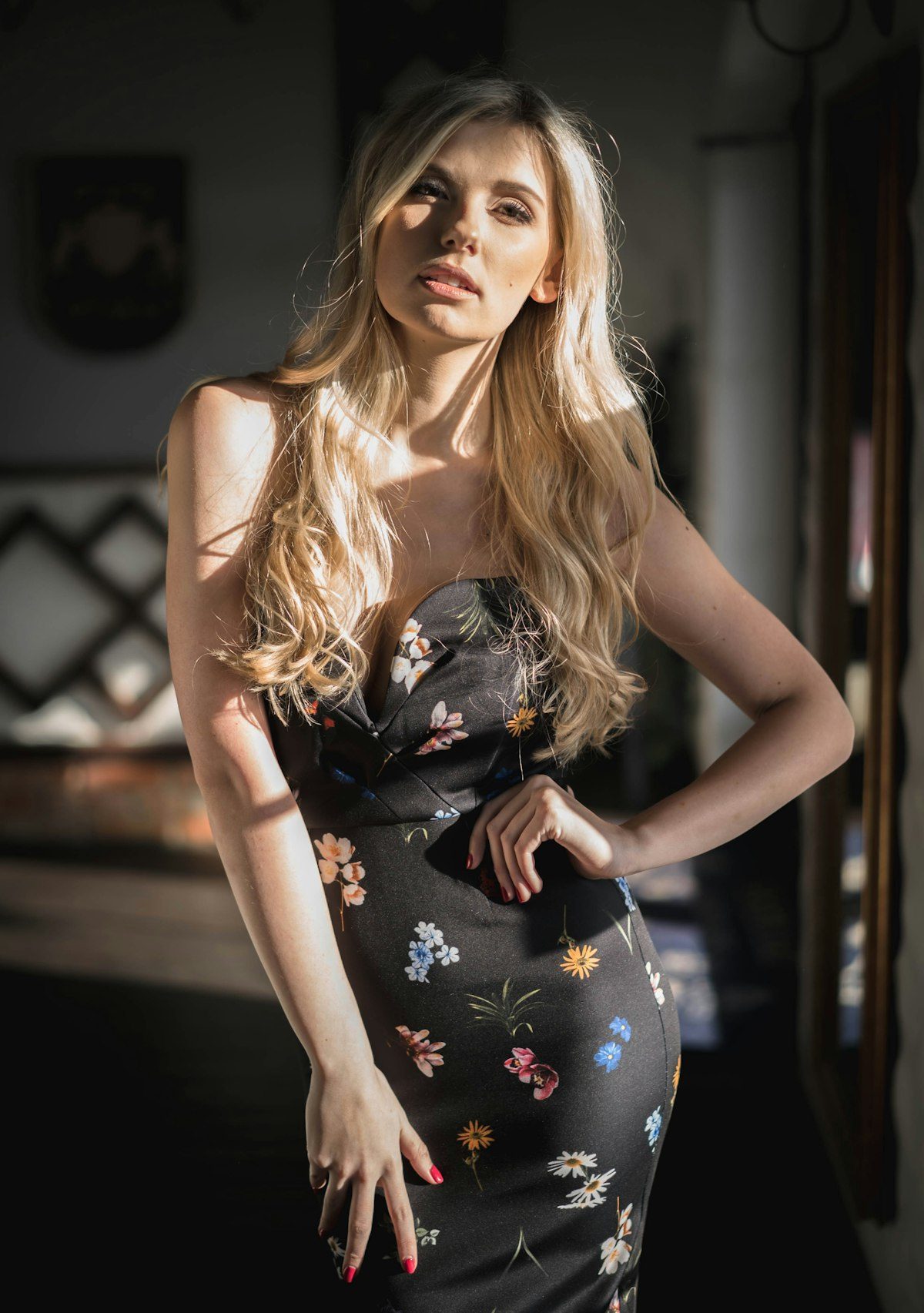
Do not assume a familiar color palette identifies one garment. A dark background with flowers can appear across many unrelated products. Read the candidate's own information rather than borrowing details from another image that looks close.
Look at the upper print area
Observe what appears around the neckline and shoulders in the available views. A large motif near the face can contribute differently from the same flower lower down. Keep that visual reason separate from a broad statement that the whole dress is floral.
Notice whether the image actually shows the relevant area clearly. Hair, another layer or a pose may conceal part of the neckline. Missing information remains a gap rather than something to reconstruct confidently from another photograph.
Read the seams and lower edge
Compare how visible pattern sections meet at the sides or other stated garment boundaries. A small image may not show enough detail to judge. Avoid converting a blurred line into a claim about construction or quality.
Look at the hem as normally worn rather than only a skirt held out for the camera. The visible amount of print changes with the pose. A straightforward view can explain the ordinary silhouette more clearly than the most dramatic frame.
Separate photographed arrangement from guaranteed scope
Read any actual statement about print variation or the specific item offered. Do not assume every size or unit will place each motif identically unless the product information genuinely establishes that. The image shows an appearance within its own context.
For a pre-owned dress, the actual item views are especially relevant to the candidate's visible pattern and condition. A new retail image can provide background context but does not replace missing detail about the particular garment offered.
Connect placement to a real outfit question
Name why the print area matters: a quieter neckline for a familiar necklace, or a hem that remains clear beside existing boots. Keep the wardrobe partner actual rather than inventing a complete new accessory group to justify the dress.
Record what is visible and the question still unresolved. A clear placement note lets the image contribute honestly to the shortlist, leaving the final decision attached to the actual garment rather than a confident expectation that every flower must appear exactly where one selected photograph placed it.
Related reading
Build a Printed-Dress Outfit around Boots You Actually Wear, Two Patterns, One Colour Link and a Clear Difference in Scale.
Notes & further reading
Our styling suggestions are editorial guidance. Check the merchant’s size chart, fabric composition, care instructions and returns policy before buying.