Some links on Girl Wonder Life are affiliate links. We may earn a commission if you buy through them, at no extra cost to you. Recommendations are editorial guidance, not claims of hands-on testing. Read our disclosure.
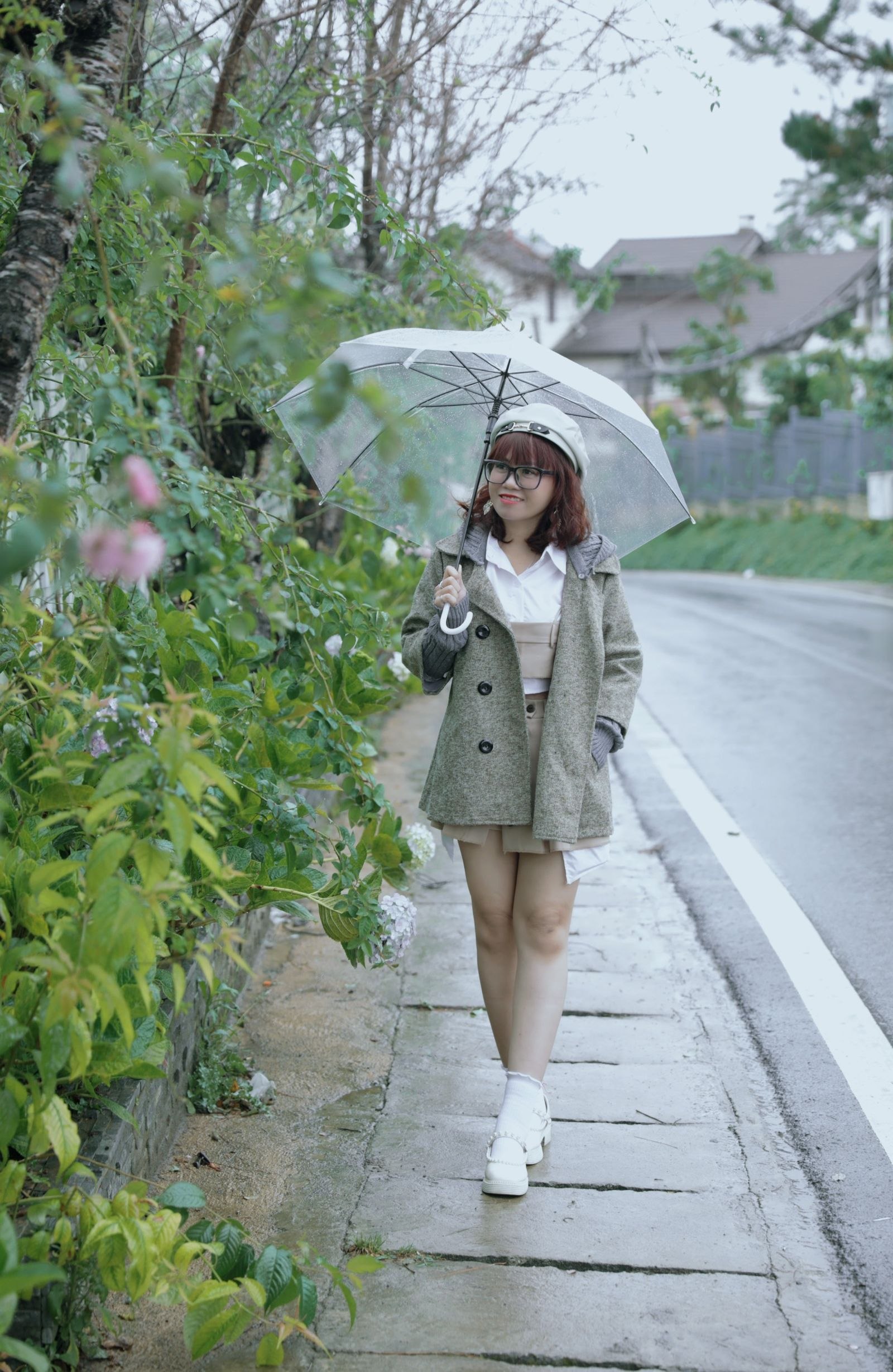
A rainy-day outfit works best when it begins with the route rather than the forecast icon alone. A short walk from a car, a public-transport commute and an afternoon of errands need different preparations. Decide how much time you expect to spend outside and what you will carry. Then build an outfit with manageable layers and hems, leaving room for the style details you actually enjoy.
Start at ground level
Choose shoes you are comfortable using in the expected conditions and check the manufacturer's care and intended-use information. Do not assume a material or silhouette establishes weather performance. Think about your actual walking distance and how the shoe works with the rest of the outfit. A practical pair can still look considered when the trouser length and outer layer are chosen around it.
Try your intended trousers with the shoes before leaving. Hems that drag while standing indoors will not become easier to manage outside. A slightly shorter pair may be more useful for a wet commute than your longest wide-leg trousers. If you prefer a skirt or dress, think about the layer beneath and how the outerwear closes. The aim is easy movement, not a prescribed rainy-day uniform.
Choose an outer layer by the whole day
A coat used mainly for short transfers can serve a different purpose from outerwear for repeated outdoor errands. Read the product description for any specific weather claims and use those details rather than appearance. Check the hood, closure, pocket access and sleeve length while wearing the layers you expect beneath it. A coat that fits over a thin top may feel restrictive over your ordinary knitwear.
Try sitting and carrying your bag with the coat closed. Notice whether the fabric bunches, the shoulders pull or the bag strap slides. If using an umbrella, consider whether one hand will already be occupied. A crossbody bag or another secure carrying option may make the route simpler. Choose around your belongings and comfort instead of buying an accessory simply because it appears in a wet-weather outfit photograph.
Keep the indoor outfit complete
Your outerwear should not be the only part that makes the outfit feel coherent. Once the coat comes off, the remaining clothes need to suit your destination. A simple knit with straight trousers, a shirt beneath a cardigan or a dress with an appropriate layer can all work. Check that you like the combination indoors, where you may spend most of the day.
Use color where it is easy
A scarf, knit or bag can add color without complicating the practical pieces. You can also keep the palette quiet and let texture supply interest. There is no obligation to dress darkly because it is raining. Think about care and use, however, before choosing a delicate item for a day when managing it would become a distraction. Your preferred colors should support the outfit rather than create extra work.
Buy against the repeated problem
If you routinely arrive with awkwardly long hems, another coat may not be the missing purchase. If the coat works but your bag cannot hold the umbrella, examine that gap. Write down what actually frustrated you after the last wet day. Shopping from a concrete problem makes it easier to compare products and recognize whether a purchase would improve your routine.
For a bag, compare closure, strap adjustment and how easily you can reach essentials. For outerwear, compare fit over existing clothes and the stated product features. For footwear, check return terms and try it indoors with the relevant outfits. Avoid treating all weather-related labels as interchangeable. A general style guide cannot establish a product's performance, so use current information from the maker when that feature matters.
Plan the arrival transition
Think about what happens when you reach the office, cafe or home. Is the umbrella easy to contain? Can you remove the coat without unloading everything? Keep small essentials in a place you can reach without opening the entire bag. These ordinary details make an outfit feel successful because they reduce the number of things you need to manage during the day.
Frequently asked questions
Do I need a separate rainy-day wardrobe? Usually you can adapt existing clothes around the shoes, outer layer and route. Identify the actual gap before buying.
Are cropped trousers the only option? No. Any length that works with your footwear and movement can be useful.
What is the easiest improvement? Rehearse the complete outfit with the coat closed and bag loaded. It often reveals a practical adjustment more clearly than trying each piece separately.
Notes & further reading
Our styling suggestions are editorial guidance. Check the merchant’s size chart, fabric composition, care instructions and returns policy before buying.