
Some links on Girl Wonder Life are affiliate links. We may earn a commission if you buy through them, at no extra cost to you. Recommendations are editorial guidance, not claims of hands-on testing. Read our disclosure.
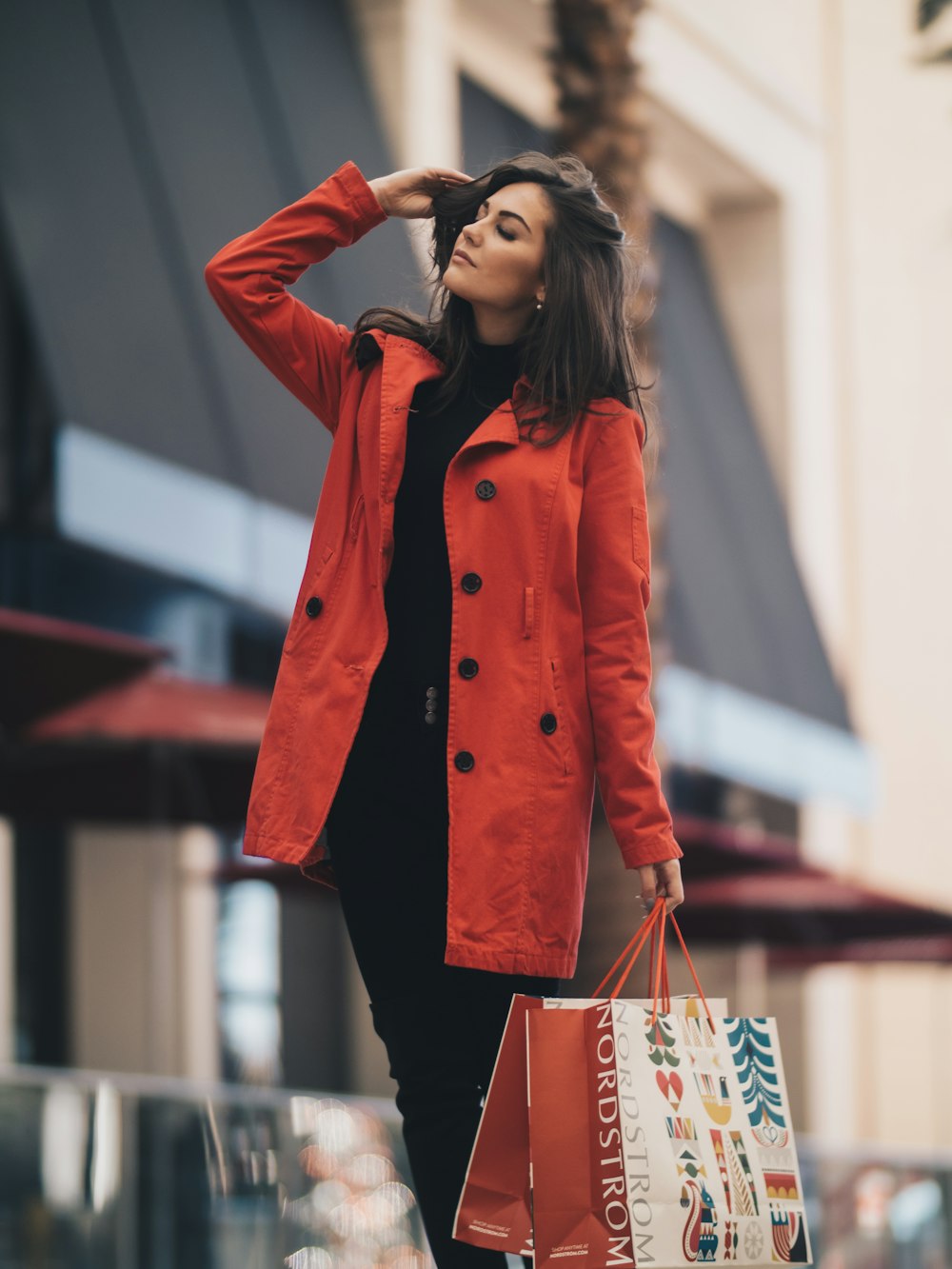
A red coat can give familiar dark clothes a different visible frame without changing their indoor role. Begin with the actual base already owned and observe the broad color areas before adding accessories. The coat supplies red through the torso and sleeves, while its opening determines how much dark fabric remains visible. A clear comparison can make the outfit repeatable without turning one bright garment into a coordinated shopping project.
Settle the base as a complete outfit
Choose the top, lower garment and suitable footwear for the real plan. Look at their neckline and waist relationship without the coat. This is the version that remains indoors, so it deserves more than being treated as a hidden background.
Keep current garment readiness honest. An unresolved fastening or care task remains separate from a pleasing dark silhouette. The note should describe actual available clothes rather than a future possibility whose condition still needs attention.
Compare normal coat openings
Use the supported fastenings and arrangements appropriate to the garment. An open front reveals a broad dark center, while a closed red area concentrates the base near the neckline and lower hem. Notice what the real coat naturally allows.
Let the fabric settle after ordinary movement instead of holding the fronts in a special photographic shape. A useful outfit reference should preserve the version available while the hands are doing something else.
Read the sleeves as repeated color
Red already appears near the hands as well as the main coat front. These smaller repeated sections can connect the whole silhouette without another red bag or shoe. Look at their contribution in an ordinary seated view if that belongs to the plan.
Keep the garment in its normal sleeve arrangement. A forced cuff or temporary fold can change a picture without producing a repeatable outfit. Any actual fit concern should remain a separate issue rather than be overlooked because the color looks striking.
Keep familiar accessories for the first review
Use the bag and footwear already appropriate to the day. A dark bag can connect to the base, while another quiet color remains distinct. Neither needs to repeat red before the outer layer can feel intentional.
If a suitable owned red accessory is available, compare it afterward as another option. Repetition broadens the bright area and creates a larger theme. The coat-only version remains complete when its own color distribution provides enough interest.
Save the actual roles
Write a short note naming the base and coat with the normal opening that mattered. Include the coat-off combination so the indoor version remains easy to find rather than lost beneath the outerwear photograph.
A familiar dark outfit can support a bright coat through its own clear shape. Understanding those real pieces makes repetition easier, leaving matching purchases as separate choices with defined reasons rather than requirements for explaining one red outer layer.
Related reading
Build a Capsule Wardrobe From Your Real Week, Buy a Winter Coat Around Your Actual Day.
Notes & further reading
Our styling suggestions are editorial guidance. Check the merchant’s size chart, fabric composition, care instructions and returns policy before buying.