
Some links on Girl Wonder Life are affiliate links. We may earn a commission if you buy through them, at no extra cost to you. Recommendations are editorial guidance, not claims of hands-on testing. Read our disclosure.
A shirt listing can show a belt, another layer and accessories that make the photograph feel like one complete outfit. Read the actual included scope before comparing the purchase. The garment may be the only item offered, while a supplied spare component could have a different status from the objects used for styling. A clear note prevents visual coordination from becoming an assumption about everything received.
Keep the exact offer identifiable
Save the product title and relevant listing reference with the description. Similar pale shirts can appear on one rail or across related images. The scope question belongs to the actual candidate rather than the broad scene.
Read whether the offer names one garment, a set or additional components. Do not expand a short title into a complete outfit simply because the photograph includes neighboring pieces in related colors. The supplied description remains the starting point.
List only what is stated as included
Write the shirt and any explicitly supplied extras at the level described. A spare button or detachable component may be relevant, but it should not be assumed from another version or a similar product owned previously.
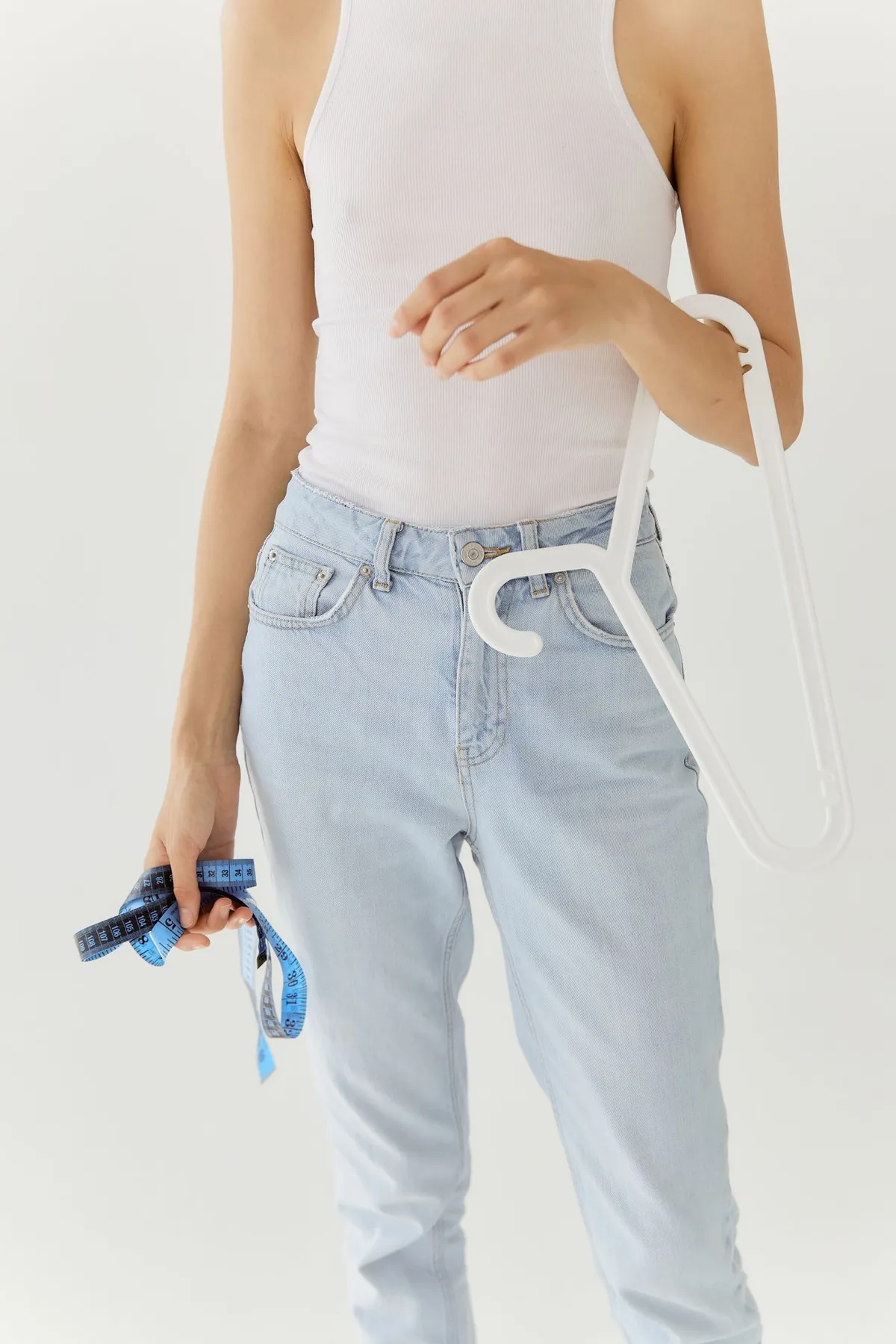
Keep styling objects separate unless their inclusion is clear. A hanger, belt or necklace in the image can contribute atmosphere without forming part of the sale. A visually coherent group is not automatically a supplied set.
Preserve condition and identity for components
For a pre-owned item, the state of the shirt does not necessarily describe every additional piece. Read the information actually supplied and leave missing details visible. Do not create item-specific assurances from a broad group photograph.
A component that looks similar to one on another garment is not automatically interchangeable. Keep its stated identity with the actual shirt. Appearance alone cannot establish compatibility or intended use.
Ask one relevant scope question
If a missing detail could change the decision, identify it precisely through the listing's ordinary appropriate channel. A question about the accessory shown in a named image gives more direction than asking whether everything comes with the shirt.
Retain relevant replies with the candidate and update the scope note when clarification changes the first assumption. Avoid leaving an old complete-set description active beside a new answer stating that the objects are separate.
Return to the shirt's actual wardrobe role
Name the owned trousers, skirt or layer it would meet. The item should remain understandable without requiring every styled extra to be purchased as well. A candidate that needs several new partners has a different consequence from one joining an existing outfit.
Compare the offer with that role and its known scope. The decision can be to retain, clarify or remove the candidate without forcing a purchase. Reading included extras separately lets the photograph contribute visual context while the actual garment and stated components define what is genuinely being offered.
Related reading
Choose a White Shirt You Will Actually Want to Wear, Two Similar Tops with Different Layering Jobs.
Notes & further reading
Our styling suggestions are editorial guidance. Check the merchant’s size chart, fabric composition, care instructions and returns policy before buying.