Some links on Girl Wonder Life are affiliate links. We may earn a commission if you buy through them, at no extra cost to you. Recommendations are editorial guidance, not claims of hands-on testing. Read our disclosure.
A small wardrobe can still create a complicated laundry routine when its garments need very different care. Before deciding another duplicate is necessary, look at how clothing moves from wear to cleaning and back to storage. The useful collection has enough suitable clean options for the real schedule. It does not depend on every favourite piece being ready immediately or on ignoring care labels to keep the rotation moving.
Read the actual labels
Check washing, drying and other care instructions for the garments in regular use. Do not group items solely because their colours or fibres appear similar. Construction, trims and finishes can affect care. Seek appropriate advice where guidance is missing or uncertain. An outfit plan should include the maintenance needed to make the clothes ready again, especially when a particular garment is expected to appear several times in the week.
Separate the stages clearly
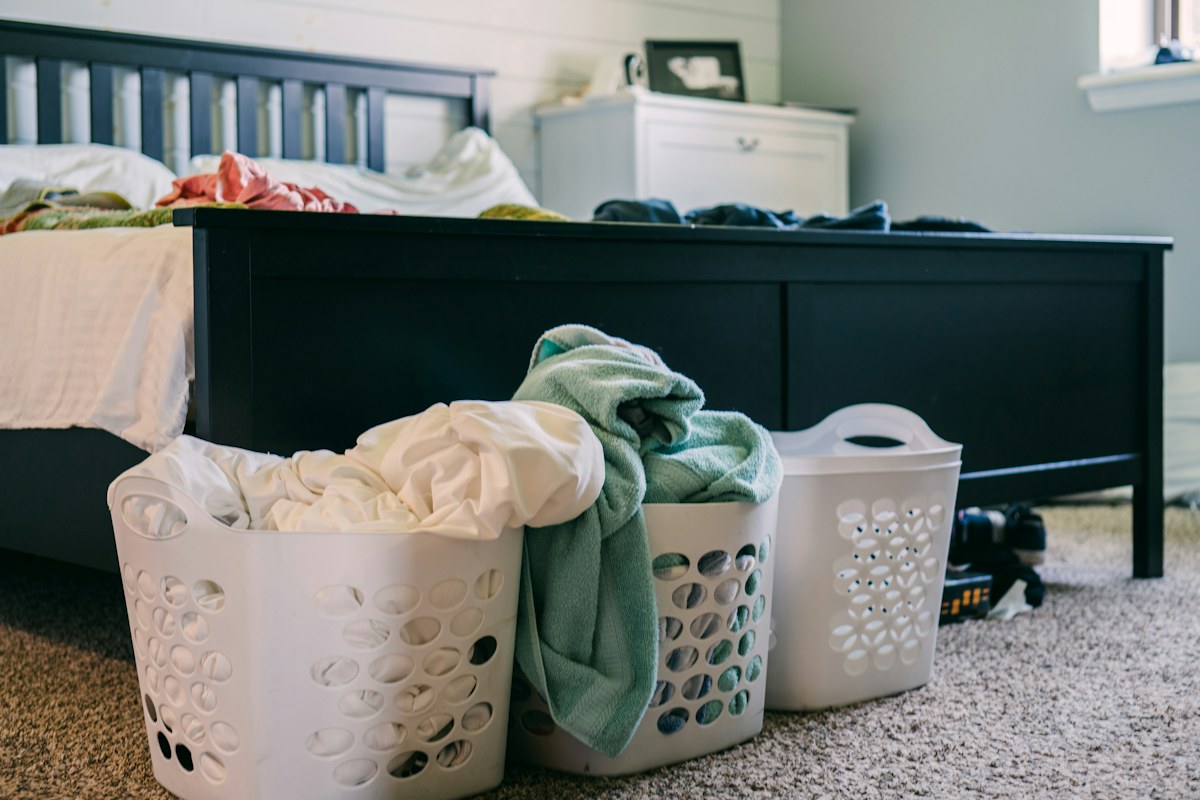
Keep clothes awaiting washing distinct from clean items and manage damp textiles appropriately. If a basket serves different stages, clean and dry it as suitable between roles. Avoid an uncertain pile where nobody knows whether an item is ready to wear. A simple location or label can help without an elaborate system. The distinction matters more than owning a matching set of laundry containers.
Identify the bottleneck
Notice whether washing, drying, specialist care or putting away causes the delay. A larger basket will not solve a limited suitable drying arrangement. Another top may help only if it genuinely fits the same outfit role and care routine. Name the repeated problem before shopping. Sometimes a smaller completed load or a different timing is more useful than increasing the clothing collection.
Keep realistic alternatives
Choose another familiar garment that works when a favourite is in care. It need not be identical. A shirt and a fine knit may serve the same day differently while sharing comfortable bottoms. Test the actual combinations so the alternative is usable rather than theoretical. Avoid relying on a clean emergency item that does not fit well or requires another unready piece to complete the outfit.
Return clothes to appropriate storage
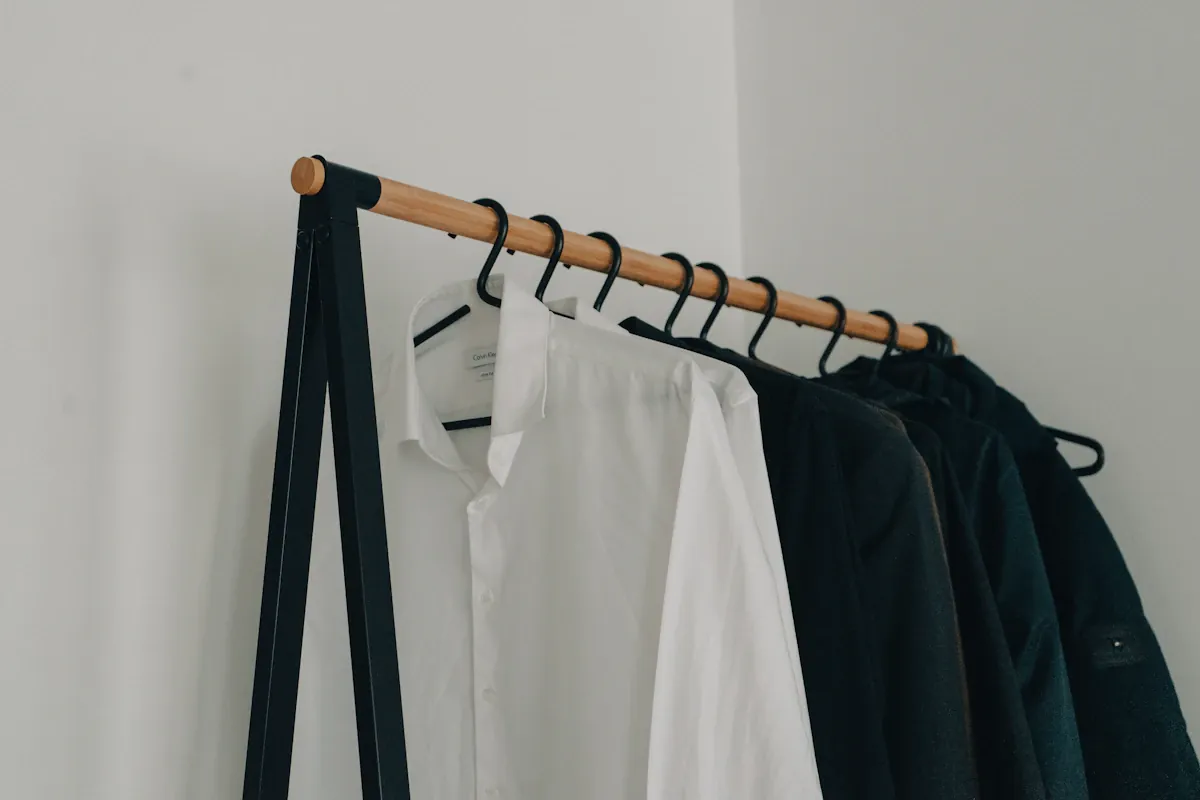
Make sure garments are ready according to their care needs before folding or hanging. Follow storage guidance and use suitable hangers where relevant. Overfilled drawers can turn the final step into the hardest one. Leave enough working space to return ordinary clothes without forcing them into a decorative arrangement. A clean pile outside the wardrobe may signal an access problem rather than insufficient motivation to fold.
Should a small wardrobe contain only easy-care clothes?
Not necessarily. A demanding piece can earn an occasional role when its maintenance is chosen knowingly. The issue is balance with your actual routine, not a universal fabric rule. Review repeated care delays before expanding the collection. The successful rotation gives clothes appropriate treatment and leaves comfortable options available, making a smaller wardrobe useful through ordinary weeks rather than only immediately after every item has been cleaned.
Related reading
Build a Capsule Wardrobe From Your Real Week, Buying Knitwear: Look Beyond the First Soft Touch.
Notes & further reading
Our styling suggestions are editorial guidance. Check the merchant’s size chart, fabric composition, care instructions and returns policy before buying.