Some links on Girl Wonder Life are affiliate links. We may earn a commission if you buy through them, at no extra cost to you. Recommendations are editorial guidance, not claims of hands-on testing. Read our disclosure.
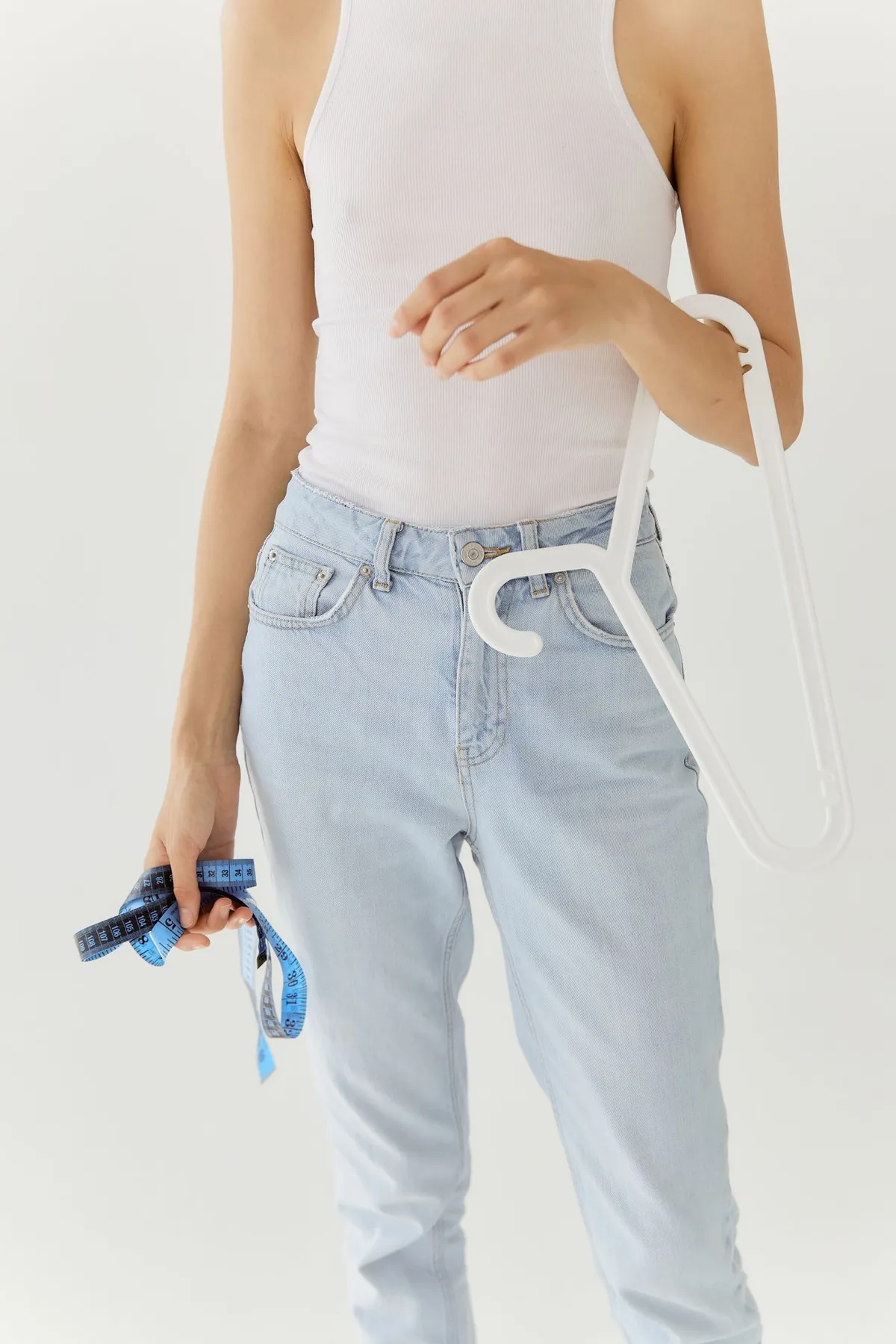
An alteration appointment is easier to follow when the desired change can be stated clearly. Saying make it fit better may describe a real frustration, but it does not identify which part of the garment should change or what must stay the same. Prepare a short brief around the actual item and intended use. Let the professional assess what is feasible rather than turning an inspiration photograph into a set of assumed construction instructions.
Identify the garment and the concern
Bring the specific item and explain the problem in ordinary terms. A sleeve may feel too long during desk work, a hem may meet the intended shoes awkwardly or a particular area may feel restrictive. Describe the observed issue without diagnosing its technical cause.
Keep separate garments separate in the conversation. If several items are brought together, record which request belongs to which piece. A similar pair of trousers should not acquire the first pair's instructions through a vague shared note.
Include the actual wearing context
Bring or wear relevant accompanying clothes where appropriate to the appointment. The intended shoes, inner layer or normal waistband position can help explain the result being sought. Ask the professional what is useful rather than arriving with a large unrelated outfit collection.
Explain whether the garment needs to serve several situations. A change designed around one exceptional pose or shoe may not support its ordinary role. Keep that tradeoff visible before agreeing to a permanent alteration.
Separate desired outcome from method
State what you hope to improve and ask what options are available. Do not assume that a visible seam can simply be moved or that every adjustment is reversible. Those questions depend on the actual garment and the professional's assessment.
Use a reference image as a way to explain an impression, not as proof that the same result can be produced from a different item. Identify the specific feature that interests you so the discussion remains concrete.
Confirm the scope before work begins
Review the agreed changes and any areas explicitly left unchanged. Keep the quoted arrangement, timing and relevant approval process with the garment's identity. If a new issue appears, ask for clarification rather than assuming it was included in the original request.
At collection, check the agreed result in the appropriate ordinary arrangement. Raise a question about the actual work calmly and specifically. Do not compare it against an additional unagreed change that only became desirable later.
Keep the final note if it helps understand the garment's new role. A good brief does not require technical vocabulary or a perfect predicted outcome. It requires a clear item, a concrete concern and an explicit agreement about what work is authorized before the garment leaves the appointment.
Related reading
A Wardrobe Repair List before Another Shopping Trip, Keep Trouser Candidates in a Consistent Outfit Reference.
Notes & further reading
Our styling suggestions are editorial guidance. Check the merchant’s size chart, fabric composition, care instructions and returns policy before buying.