Some links on Girl Wonder Life are affiliate links. We may earn a commission if you buy through them, at no extra cost to you. Recommendations are editorial guidance, not claims of hands-on testing. Read our disclosure.
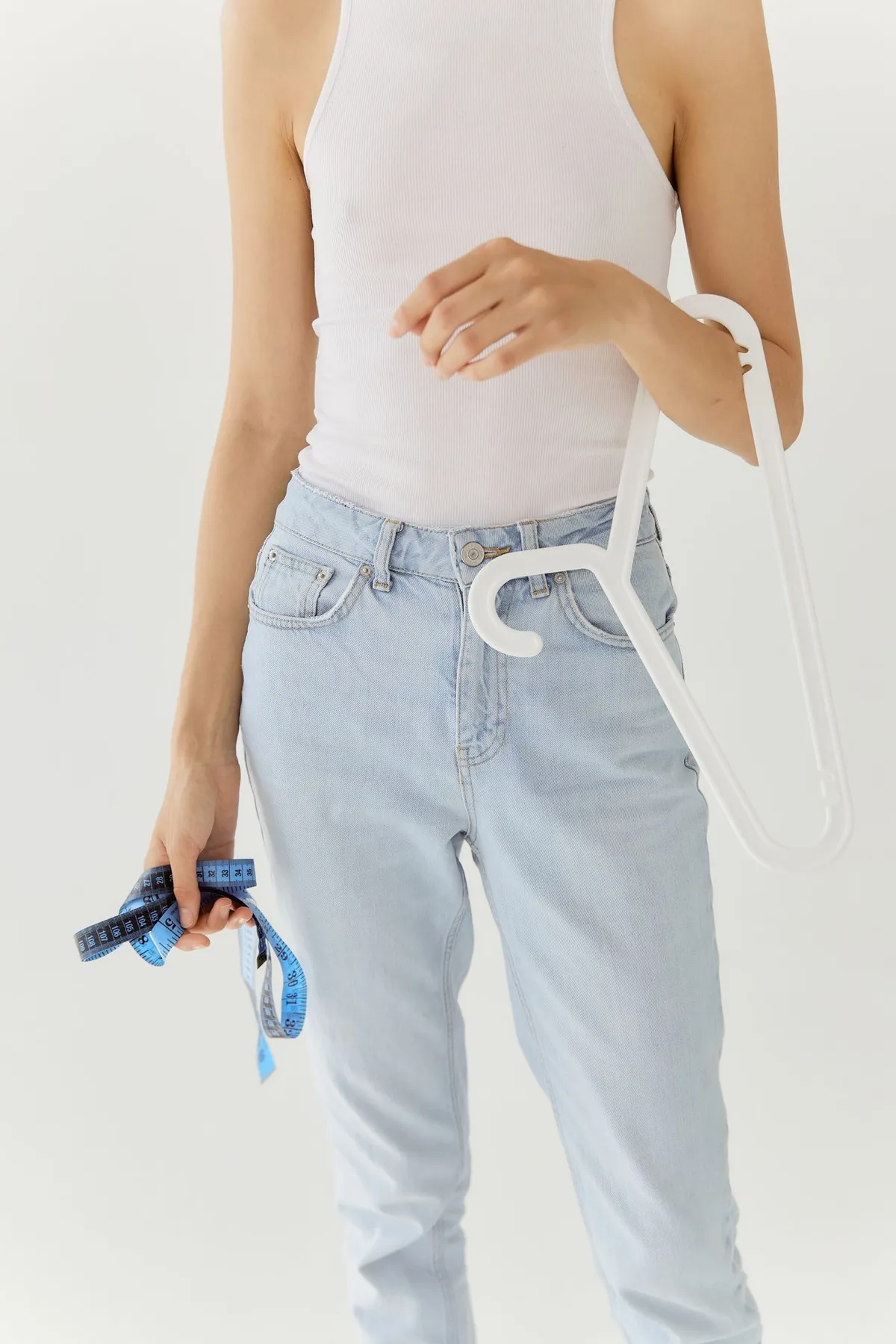
Trouser candidates can be difficult to compare when each appears in a different styled outfit. One image emphasizes a long leg beneath a short jacket; another pairs a similar shape with a broad knit. Use a consistent owned outfit reference to clarify the actual question. The aim is to understand visible differences while keeping fit, condition and product facts with the specific candidate rather than asking the photograph to settle everything.
Choose the real outfit partner
Name the top and footwear the trousers would actually accompany. A candidate photographed in an unrelated outfit may look appealing without adding a role to your wardrobe. Keep the proposed plan concrete before collecting more images.
Use the familiar top in its ordinary supported arrangement. A changing hem or tuck alters how much trouser waist is visible, creating another variable. Keep that steady for the first comparison.
Read candidate images at comparable scope
Look for complete front and side views where supplied, recognizing that product photographs do not automatically share scale. A tight crop can make one pair seem more substantial, while a distant image reduces its visual contribution.
Do not measure the screen as though it were a reliable diagram. Use actual stated dimensions and preserve their method and units when relevant. Missing information remains a question rather than something a similar-looking product can answer.
Record visible shape differences plainly
Describe the leg outline, waistband appearance and hem area without declaring one universally flattering. A wider shape may add another role beside the intended top, while a close candidate may repeat a silhouette already owned.
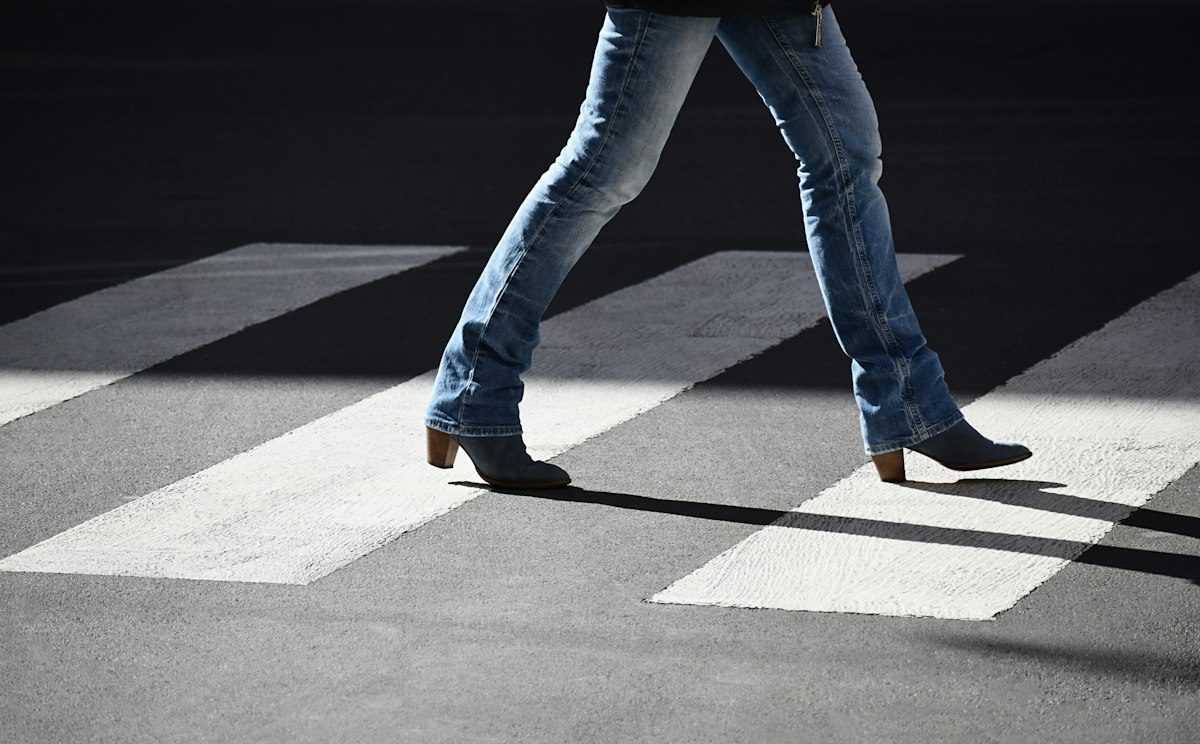
Keep ordinary posture in mind. A model's pose can change the apparent fall of the fabric or conceal part of the waist. The image contributes appearance within that context rather than a complete prediction of another wearing experience.
Keep other product questions distinct
A photograph cannot establish fit, composition or care by itself. Read the actual listing and retain any unresolved details beside the candidate. A pleasing outfit image should not make those practical questions disappear.
For pre-owned trousers, condition belongs to the exact pair offered. Another retailer's new product image can provide limited background but does not establish the state of the actual item. Keep the reference precise throughout the comparison.
Compare against what is already covered
Use an owned pair with an understood role as a local reference where helpful. Name what the candidate would change beyond the existing option. A different visible shape can be a real addition, but it should not be invented merely to justify the shortlist.
Retain only the candidates with a clear reason and an accurate note. A consistent outfit context helps the visible differences remain legible, leaving a purchase decision grounded in the actual wardrobe rather than the unequal styling, crop and pose of several attractive product photographs.
Related reading
Trouser Fit for Sitting, Walking and Ordinary Life, Wide Trousers with a Shirt Worn Outside the Waistband.
Notes & further reading
Our styling suggestions are editorial guidance. Check the merchant’s size chart, fabric composition, care instructions and returns policy before buying.