Some links on Girl Wonder Life are affiliate links. We may earn a commission if you buy through them, at no extra cost to you. Recommendations are editorial guidance, not claims of hands-on testing. Read our disclosure.
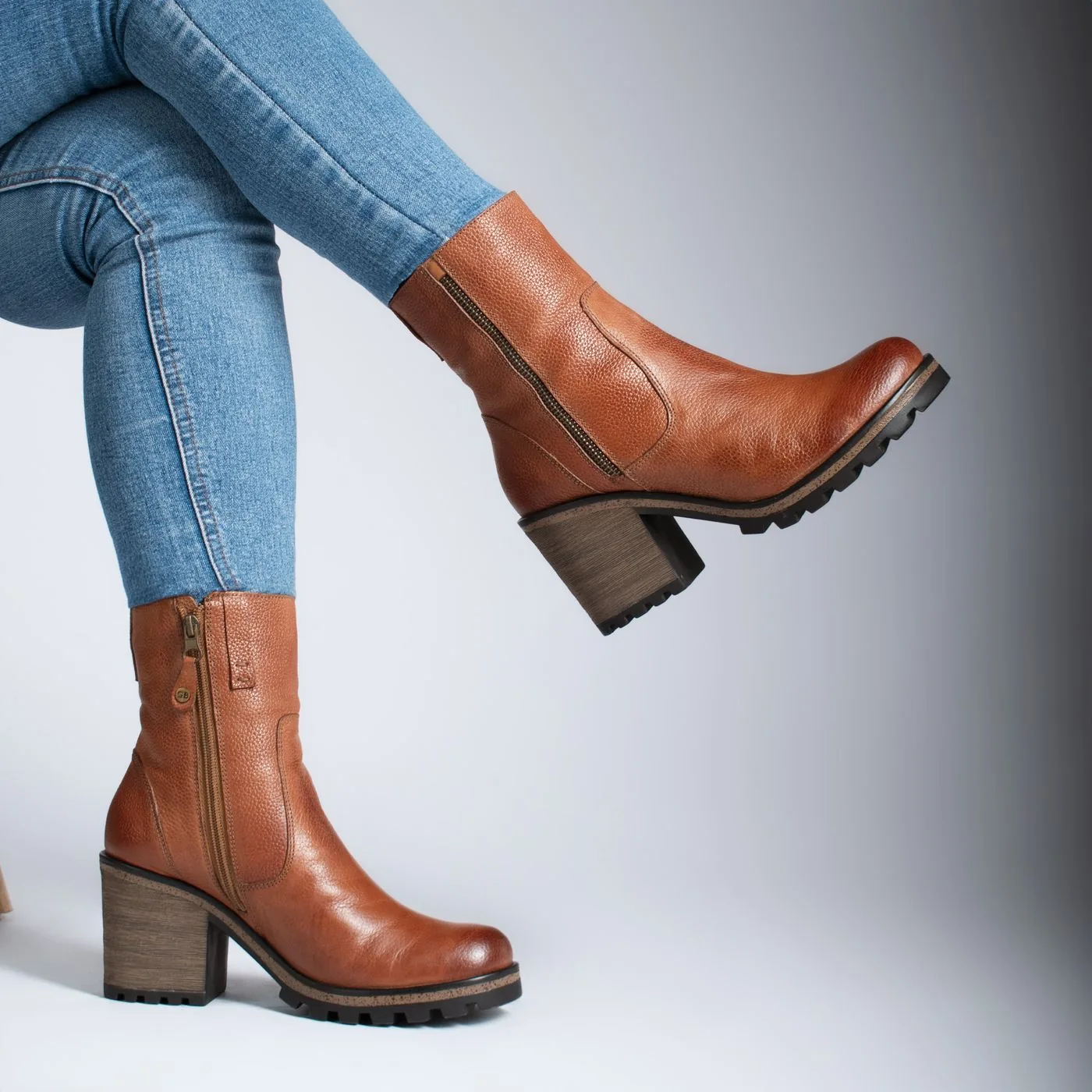
An ankle boot photographed from the side can reveal a clear outline while leaving many purchase questions unanswered. Read the toe, upper and visible heel as separate shapes, then keep those observations beside the exact product information. A familiar-looking profile may add another outfit option, but it does not establish fit or practical equivalence with a pair already owned. The photograph contributes appearance within that limited role.
Keep the candidate identifiable
Save the listing reference, relevant version and available images together. Similar brown boots can appear across several offers, and a cropped detail may lose the context that identifies the actual pair. The comparison should remain attached to one candidate.
For a pre-owned item, condition belongs specifically to the offered boots. A new retail image or another seller's photograph can supply limited background but does not settle the actual pair's state.
Read the complete side view
Notice the toe profile, height of the visible upper and shape of the heel separately. These contribute different boundaries beneath an intended trouser hem. A color match alone does not explain the whole silhouette.
Check whether the photograph actually includes all relevant parts. A close crop can hide the rear edge or top opening. Missing visual information remains a question rather than something to reconstruct from a similar shoe.
Keep scale and dimensions distinct
Product images do not automatically share the same scale. A close photograph can make one heel look more substantial than another shown at a distance. Read stated measurements where supplied rather than measuring the screen as though it were a diagram.
Preserve units and method with any useful dimension. A figure detached from its scope can create false precision. If the information remains unclear, retain the gap instead of forcing an exact comparison with an owned pair.
Separate surface appearance from material
A smooth brown upper can be described visually without assigning composition. Read the actual listing for material and care, leaving uncertainty visible where those details are absent. The image cannot establish how another surface will behave over time.
A low-looking or broad-looking heel also does not prove comfort or suitability for a particular day. Those questions follow the real footwear and intended activity, beyond the outline presented in a styled photograph.
Give the candidate an actual wardrobe partner
Choose the jeans, trousers or skirt it would meet and name the intended hem relationship. A different profile may add a useful option, or it may repeat a role already covered by boots owned. Keep that distinction concrete.
Record the visible reason for retaining the candidate and any unresolved product question. A clear side outline can support a considered shortlist without becoming a promise of fit, allowing the purchase decision to follow the actual pair rather than the reassuring resemblance of one selected image.
Related reading
Cropped Trousers and Ankle Boots: Make the Gap Deliberate, Choose Shoes That Connect Your Everyday Outfits.
Notes & further reading
Our styling suggestions are editorial guidance. Check the merchant’s size chart, fabric composition, care instructions and returns policy before buying.