Some links on Girl Wonder Life are affiliate links. We may earn a commission if you buy through them, at no extra cost to you. Recommendations are editorial guidance, not claims of hands-on testing. Read our disclosure.
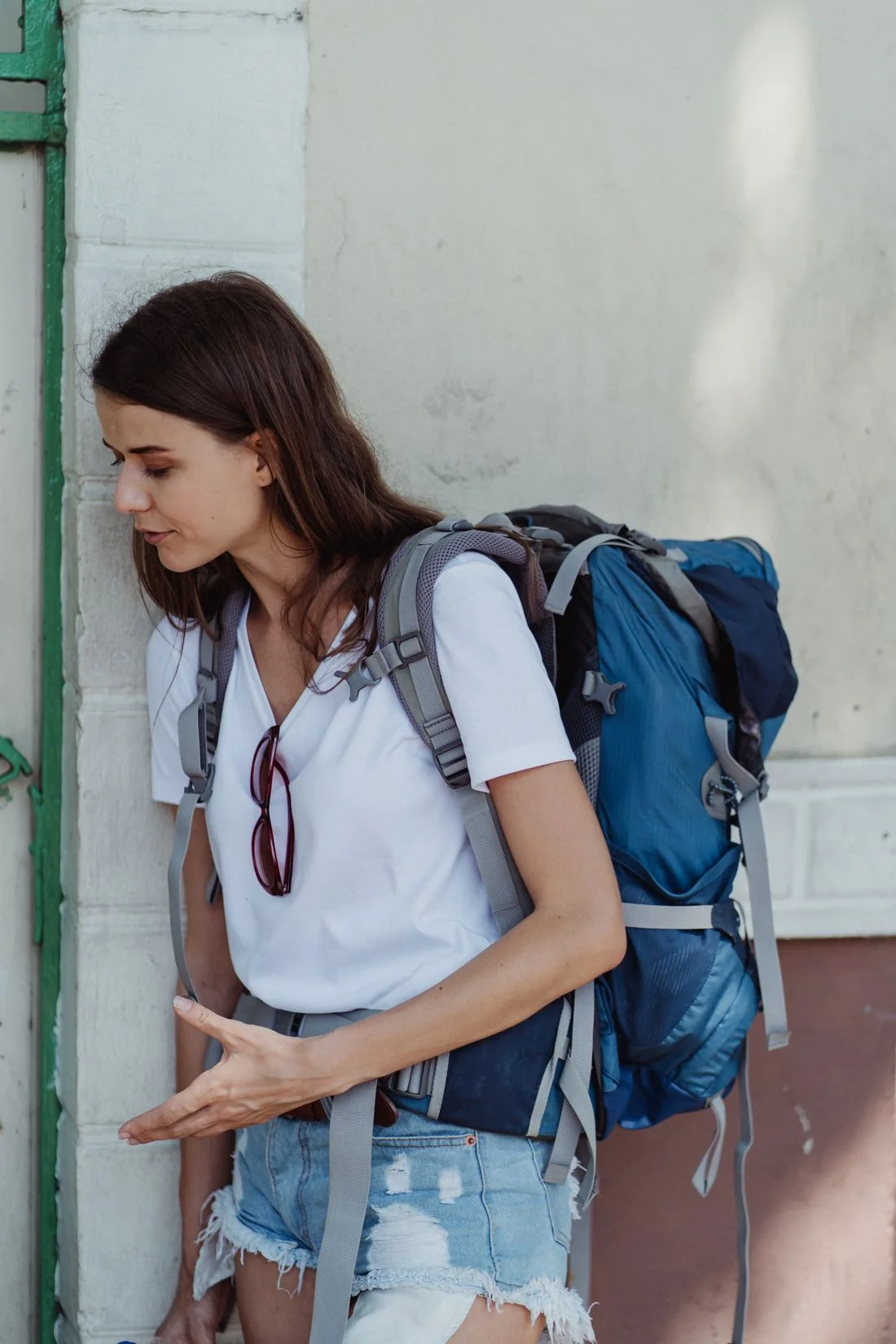
A backpack changes how a T-shirt sits through the shoulders and back. Even a familiar casual outfit can feel different once the bag is loaded for the day. Test the actual carrying arrangement rather than assuming a simple top makes the whole combination effortless. The bag needs to suit its contents and intended use, while the T-shirt should remain comfortable beneath the straps without repeated pulling at the neckline.
Pack the real essentials
Use the items needed for the outing and follow the backpack's capacity and loading guidance. Remove unnecessary duplicates before judging comfort. An empty bag cannot reveal how the straps and fabric behave under a normal load. Keep important or vulnerable belongings managed appropriately for the setting. Do not fill spare space simply because the bag is larger than the day's practical needs.
Adjust the bag as designed
Read and use the intended strap adjustments and any supported features. Choose a position comfortable for your body and movement rather than copying a visual rule. Check that adjustment hardware holds correctly. Do not improvise attachments or carry a load that feels unsuitable. If discomfort persists after appropriate adjustment and reducing contents, choose another carrying arrangement rather than expecting the T-shirt to compensate.
Observe the neckline and shoulders
Wear the actual top and walk, turn and sit. Notice whether straps pull the neckline, trap a sleeve or rub the surface. A loose top can move differently from a closer one. Compare another familiar garment to identify the relationship. The aim is ordinary comfort, not holding the shoulders in a particular posture to keep the shirt looking neat.
Include temperature changes
If another layer is needed, test the bag over the complete outfit and after removing it. A coat or overshirt can change strap fit and accessible pockets. Keep the base outfit complete when the outer layer comes off. Choose appropriate clothing for the conditions rather than assuming the backpack's casual association makes any thin layer suitable for the journey.
Check contact and care
Read relevant guidance for the bag and shirt materials. Rough edges, hardware or dirt can affect clothing where the bag rests. Inspect both periodically and follow suitable cleaning instructions. Do not apply a universal treatment to solve every rubbing or colour-transfer concern. A practical outfit includes manageable maintenance, especially when the same bag is used frequently across different fabrics.
Does the backpack need to match the top?
No. A simple colour relationship can help if you enjoy it, but carrying comfort and appropriate capacity matter more. Use familiar clothes and suitable shoes first. The successful combination lets the backpack serve the day without pulling the outfit into repeated adjustment, making the T-shirt a comfortable base rather than an assumed solution to every loaded-bag problem.
Related reading
An Everyday Handbag With a Clear Job, Build a Capsule Wardrobe From Your Real Week.
Notes & further reading
Our styling suggestions are editorial guidance. Check the merchant’s size chart, fabric composition, care instructions and returns policy before buying.