
Some links on Girl Wonder Life are affiliate links. We may earn a commission if you buy through them, at no extra cost to you. Recommendations are editorial guidance, not claims of hands-on testing. Read our disclosure.
A bag photograph may show several detachable-looking parts without explaining which are included or how they belong to the actual item. Read the stated scope before treating the arrangement as one complete set. A strap, pouch and decorative element can have different identities and roles. The useful purchase note keeps those details attached to the specific bag rather than borrowing assumptions from another model that looks similar.
Identify the precise bag offer
Keep the listing title, relevant version and description together. Related product images may show alternative configurations or separate accessories. The scope question should remain connected to the item genuinely under consideration.
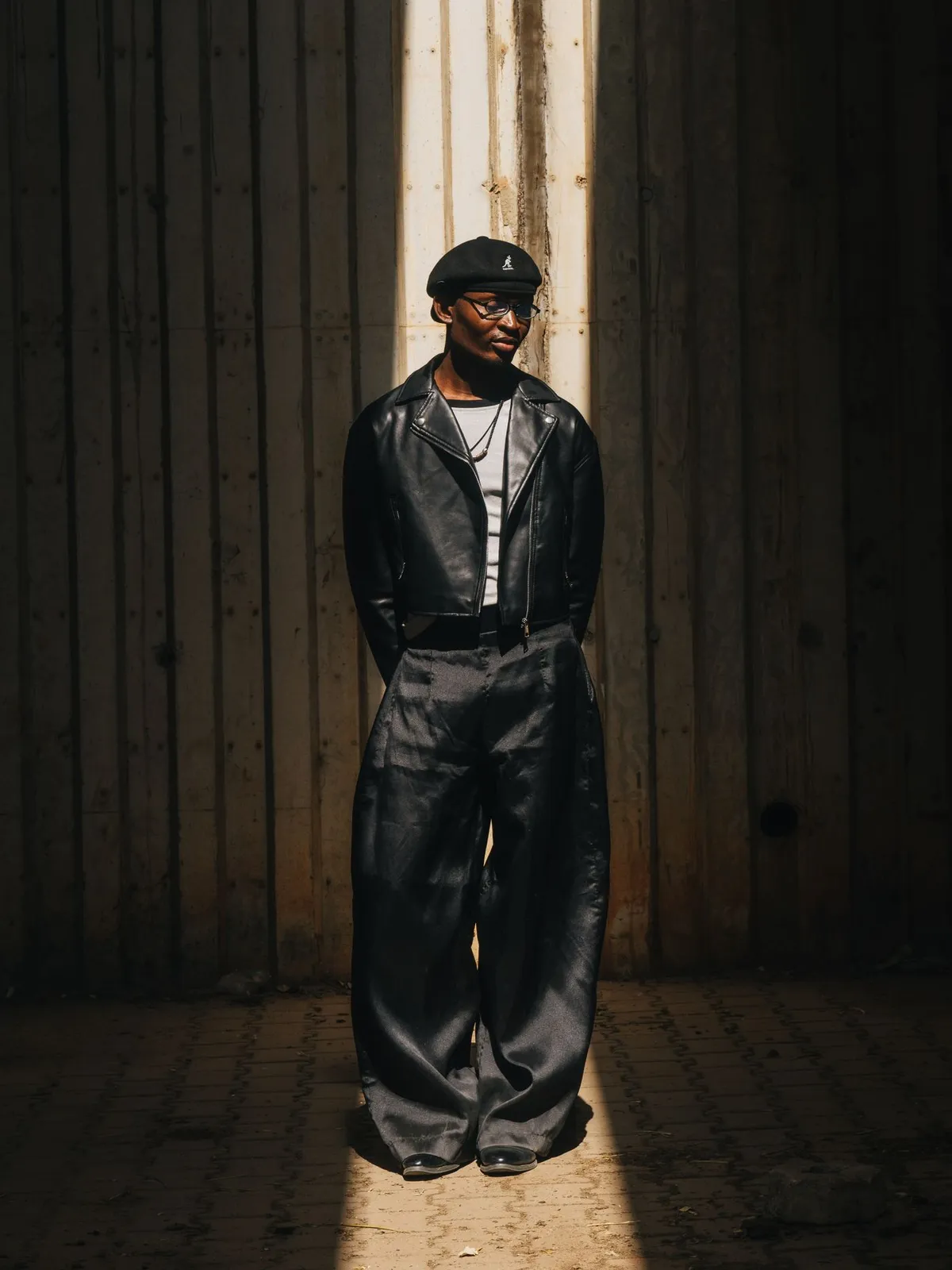
Do not infer construction from a full-outfit photograph. A dark structured bag carried along a street provides a visible silhouette, not a complete account of closures or detachable parts. Those facts require the actual product information.
List the stated components
Write each included part only where the source clearly names it. A strap visible in one image may be optional, separate or part of another arrangement. Preserve the listing's distinction rather than filling the gap from visual expectation.
Keep component identity clear. Similar hardware or color does not establish compatibility with another bag. An accessory sold elsewhere should not be treated as a suitable substitute merely because it resembles the missing part.
Read the relevant views together
A close image can clarify a connection while the broader view explains where the part sits. Use both within their limits. A decorative crop may leave the actual attachment or opening unseen.
Do not turn an unclear image into an accusation about condition. Describe the missing detail neutrally and preserve it as a question. For a pre-owned item, the actual component's state remains specific to the offer rather than another seller's model.
Ask a focused inclusion question
Name the exact listing and component shown in the relevant view if clarification could change the purchase. A precise query helps the seller answer without guessing whether you mean a strap, pouch or every object used in the photograph.
Keep the reply beside the original reference and update the active note. If the answer remains incomplete, retain that limit instead of describing a complete set as though the question had been resolved.
Connect scope to ordinary use
Identify which components the bag needs for the role you actually want it to serve. More parts are not automatically more useful. A simple intended carrying arrangement can be enough when it is appropriate to the actual item.
Compare candidates on their genuine scope, known condition and defined wardrobe role. A clear included-parts note lets an attractive photograph remain a visual reference without promising interchangeability or completeness beyond what the offered bag's information supports, leaving the decision understandable even when the styled scene is no longer in front of you.
Related reading
An Everyday Handbag With a Clear Job, Crossbody Strap Length for Walking, Sitting and Winter Layers.
Notes & further reading
Our styling suggestions are editorial guidance. Check the merchant’s size chart, fabric composition, care instructions and returns policy before buying.