Some links on Girl Wonder Life are affiliate links. We may earn a commission if you buy through them, at no extra cost to you. Recommendations are editorial guidance, not claims of hands-on testing. Read our disclosure.
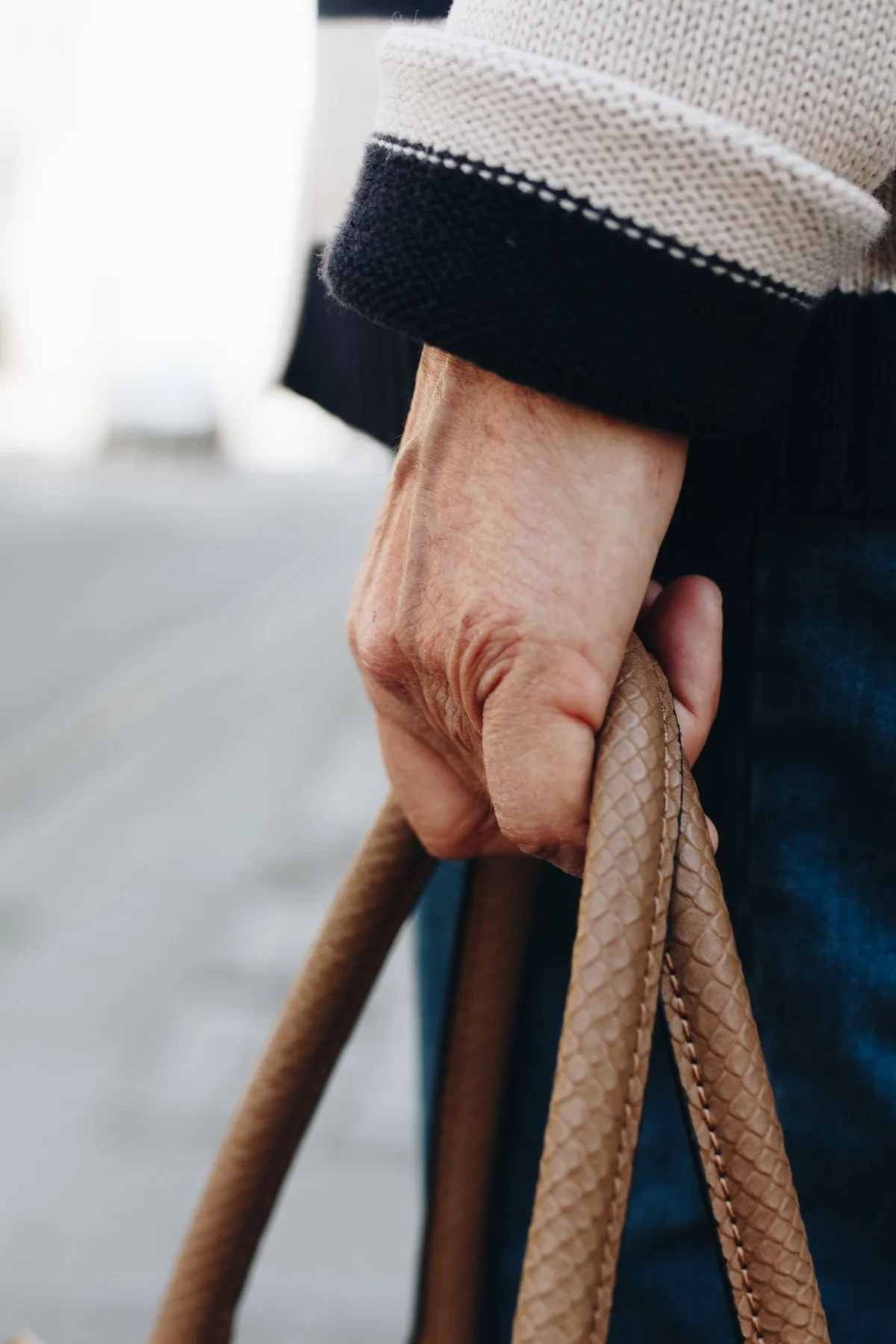
A small handbag can suit a short errand while its handle makes carrying uncomfortable. The shape, opening and loaded weight need to be tested together. Start with what the outing actually requires and how the bag is intended to be carried. A compact size does not guarantee an easy grip, and a decorative handle should not be assumed capable of every carrying method simply because a hand fits through it.
Inspect the handle and joins
Read available product information and look at attachment condition. Check for rough edges, loose stitching or hardware movement. On an older bag, ask about realistic repair where needed before purchasing. Do not test strength by loading it heavily. A sound-looking outer surface does not establish that the handle's hidden or delicate joins are suitable for repeated use.
Use the actual contents
Put in the essentials and follow the bag's intended capacity. Remove unnecessary duplicates rather than treating unused space as an invitation to carry more. The load affects how the handle sits in the hand. A bag tried empty may feel quite different after a phone, keys and other items are added. Keep valuable or vulnerable belongings managed appropriately for the outing, not merely wherever they fit most easily.
Carry it in the designed way
Try the intended grip while walking and standing. Notice pressure at the fingers or wrist and whether the opening remains accessible. A short top handle may not be designed for wearing over the shoulder. Do not force it over a thick sleeve or use an improvised extension to imitate another bag style. Choose another suitable carrying option when the intended one does not meet your needs.
Include the coat and transactions
Try the full outfit, including gloves if relevant. Retrieve an ordinary item and close the bag again in a safe setting. A handle can be comfortable until both hands are needed, then become awkward without a suitable temporary placement. Consider the actual errand rather than a static mirror view. Keep the bag managed appropriately instead of relying on setting it down on any available surface.
Check the relation to clothing
Notice where the bag or handle contacts cuffs and other fabric. Follow care guidance for both materials. Rough hardware can catch delicate pieces, while some finishes may need caution around contact. A simple colour relationship is optional. The bag should not require buying another coat solely to make its handle usable. Start with the garments that accompany most of these short trips.
Does a short errand need a separate bag?
Only when it serves a real useful role. An existing suitable bag may be enough with a lighter load. A smaller one earns its place through comfortable carrying and easy access, not size alone. Review the grip after ordinary use and maintain the bag appropriately. The successful handle supports the trip quietly, leaving attention for the errand rather than repeated changes of hand or concern about the joins.
Related reading
An Everyday Handbag With a Clear Job, Crossbody Strap Length for Walking, Sitting and Winter Layers.
Notes & further reading
Our styling suggestions are editorial guidance. Check the merchant’s size chart, fabric composition, care instructions and returns policy before buying.