Some links on Girl Wonder Life are affiliate links. We may earn a commission if you buy through them, at no extra cost to you. Recommendations are editorial guidance, not claims of hands-on testing. Read our disclosure.
A blazer can make an outfit feel defined with very little styling, but its usefulness depends on how it fits your movement and existing clothes. The standing mirror offers only part of the answer. You also need to sit, carry a bag, reach forward and wear the layers you expect beneath it. Choose the shape you enjoy before deciding whether a particular detail looks conventionally tailored.
Define the intended silhouette
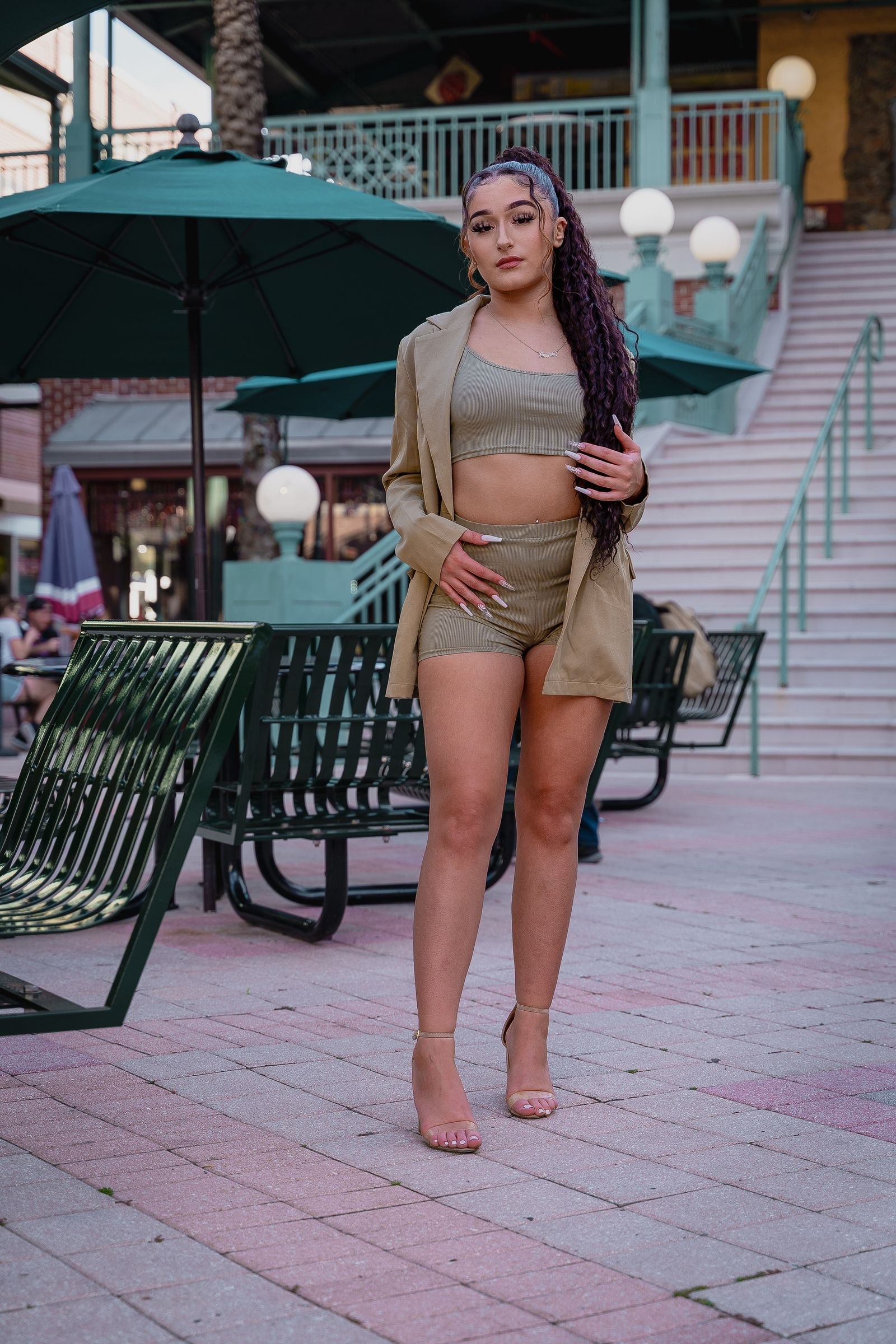
A close, structured blazer and a relaxed oversized version are different choices rather than better and worse versions of the same item. Look at the clothes you plan to wear with it. Do you want the jacket to sharpen wide trousers, sit over a dress or add a layer to jeans? That role helps you decide length, shoulder shape and volume without relying on a universal rule.
Try the jacket with a familiar top and intended bottom. A blazer photographed over a thin camisole may fit differently over your ordinary shirt or knit. Check the sleeves and back with realistic layers. If you want to wear several types of top, test more than one. A jacket that only accommodates the thinnest layer may have a narrower role than you expected.
Start at the shoulders
Look at how the shoulder line relates to the design. A deliberately extended shoulder can be part of the silhouette; restriction or unwanted collapse may be a fit concern for you. Move your arms and notice the fabric across the back. Do not judge solely by whether a seam lands at one prescribed point. The garment's intended shape and your preferred movement both belong in the decision.
Check the collar while standing normally rather than arranging your posture for the mirror. Does it sit as you want against the back of the neck? Does it change when you carry your usual bag? These are useful observations to compare sizes and cuts. If something concerns you, try another shape instead of assuming an alteration will necessarily resolve it. Ask a qualified alterations professional about any change you are considering.
Test open and closed
If you expect to fasten the blazer, do so during the fitting. Sit and reach comfortably. Notice pulling around the closure and whether the front stays in the position you want. If you plan to wear it open, check that version too. A jacket can be intentionally worn open, but the choice should be yours rather than a workaround for a fit you dislike.
Compare length with your wardrobe
A longer blazer can create a continuous line over trousers, while a shorter one may suit a dress or high-waisted bottom. Try both if you are unsure. Look at side and back views and how the hem relates to pockets, pleats or skirt volume. The best length is connected to the outfits you want, not a measurement that applies identically to everyone.
Sleeves deserve practical attention. Can you use your hands comfortably, and does the cuff work with the shirt beneath? If you like rolling or pushing sleeves, try that without forcing the fabric into an awkward bundle. A styling trick that needs constant repair may not be the right everyday solution. Decide whether the garment should work as sold or whether a specific alteration is worth discussing.
Check construction and care
Inspect lining, seams, pockets and closure details. Read the care label and decide whether that routine fits your habits. Fabric composition gives information, but it does not establish every aspect of comfort or longevity. Feel the exact garment and consider how it behaves with your layers. Avoid buying on a prestige label alone when the fit and maintenance do not suit your life.
Make it prove three outfits
Before keeping a new blazer, assemble a work combination, a casual combination and another plausible use. These can overlap if your life is consistent. The exercise tests connection rather than demanding maximum versatility from every piece. If all three require additional purchases, the blazer may be an attractive starting point for a different wardrobe rather than the missing piece in your existing one.
Frequently asked questions
Should I size up for an oversized look? Compare the intended design and measurements. A larger size of a fitted cut may not produce the shape you want.
Can alterations fix everything? Do not assume so. Ask about the specific garment and change before purchasing around that expectation.
What matters most? A silhouette you enjoy, comfortable movement and compatibility with the outfits you actually wear. A blazer earns its place through use, not merely through looking impressive on a hanger.
Notes & further reading
Our styling suggestions are editorial guidance. Check the merchant’s size chart, fabric composition, care instructions and returns policy before buying.