
Some links on Girl Wonder Life are affiliate links. We may earn a commission if you buy through them, at no extra cost to you. Recommendations are editorial guidance, not claims of hands-on testing. Read our disclosure.
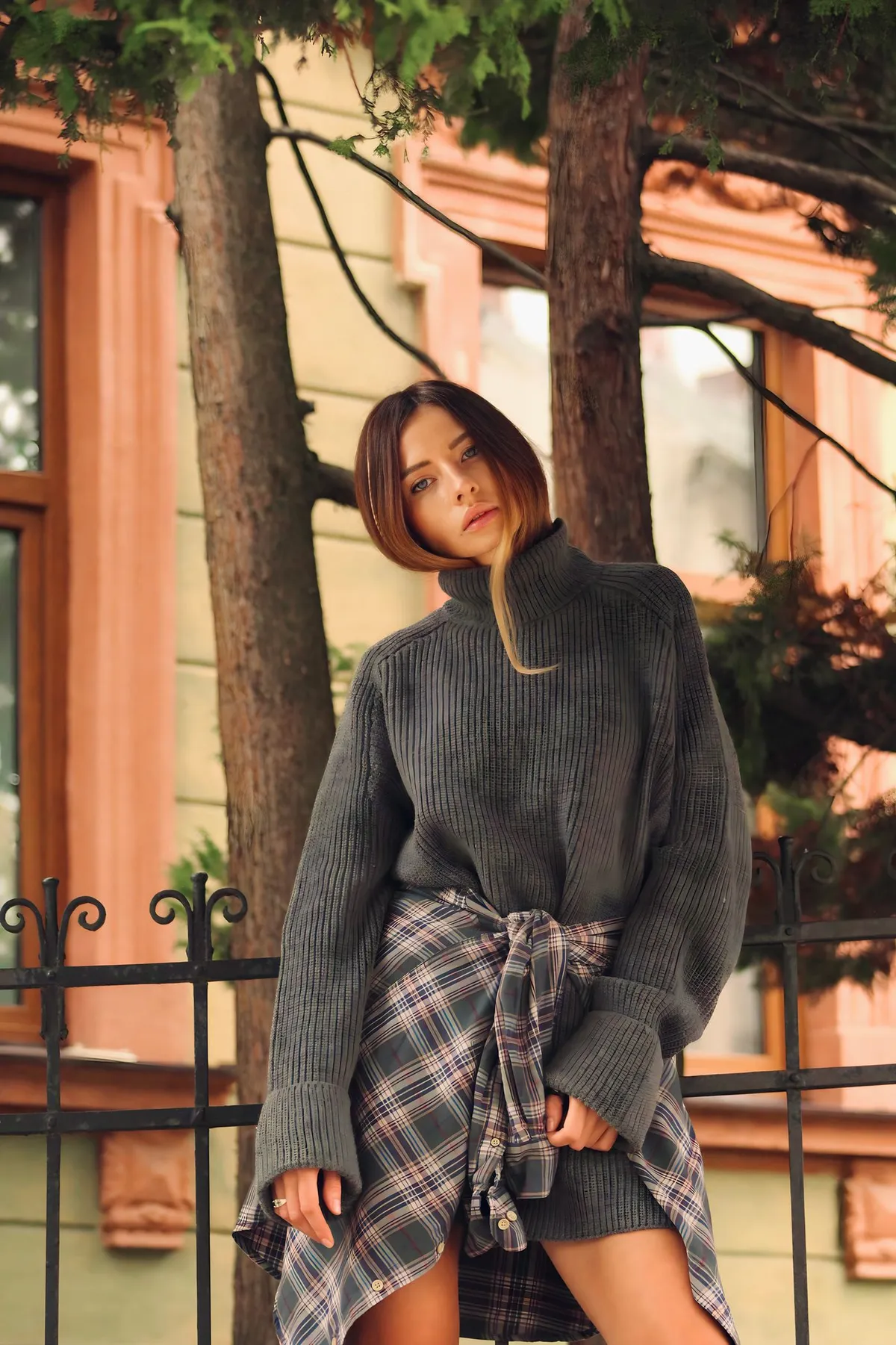
A brown knit can look quite different beside pale trousers than it does with familiar denim. Try the actual lower garment already owned before adding another pair to the shortlist. The lighter area changes the contrast, while its leg shape introduces another variable. Naming both helps the comparison remain useful rather than letting an atmospheric photograph decide that a particular new color combination must be purchased in full.
Establish the knit's normal arrangement
Wear the top in its ordinary supported shape and observe the neckline, sleeves and hem. These create the broad brown area that the trousers will meet. Keep the arrangement steady while comparing lower garments.
Do not infer fiber from appearance. A textured brown surface can inspire an outfit without establishing composition, warmth or care needs. The actual garment's known information remains the reference for those facts.
Identify the pale trousers specifically
Use the pair intended for the real day and look at its normal waist and leg shape. A wide pale silhouette and a tapered one can create very different proportions beneath the knit. The color name alone does not explain the result.
Keep readiness honest. A care or fit concern remains an unfinished question even when the pale fabric looks fresh in a picture. The wardrobe note should preserve actual availability rather than a future version that still needs attention.
Read the waist boundary
Notice how much of the trouser top remains visible beneath the knit. A longer hem can reduce that area, while another familiar supported arrangement reveals more. Choose a version that remains through ordinary movement rather than a temporary pose.
Use a relaxed arm position for at least one reference so the boundary is not concealed. A hand at the waist can hide the very relationship being compared. A straightforward image may therefore be more useful than a dramatic outfit photograph.
Keep the first accessories familiar
Use footwear and a bag appropriate to the plan. A dark endpoint can connect to the brown upper area, while another quiet tone remains separate. Neither needs to match the knit exactly for the outfit to have a clear structure.
If another owned accessory is being considered, try one change at a time after reviewing the basic pairing. Several simultaneous additions make it harder to identify whether the trousers themselves contributed the effect you wanted.
Name the added wardrobe role
Write a concise note about when the combination serves an actual plan and why the contrast appeals. The pale lower area leaves the brown top distinct is enough to retrieve the idea later.
The knit can keep its denim role while gaining another option through trousers already present. Understanding the actual shade and shape together leaves a new lower garment purchase as a decision about a genuine gap rather than an automatic response to the mood of a styled photograph.
Related reading
One Knit, Two Trouser Shapes: Compare the Hem before Shopping, Trouser Fit for Sitting, Walking and Ordinary Life.
Notes & further reading
Our styling suggestions are editorial guidance. Check the merchant’s size chart, fabric composition, care instructions and returns policy before buying.