Some links on Girl Wonder Life are affiliate links. We may earn a commission if you buy through them, at no extra cost to you. Recommendations are editorial guidance, not claims of hands-on testing. Read our disclosure.
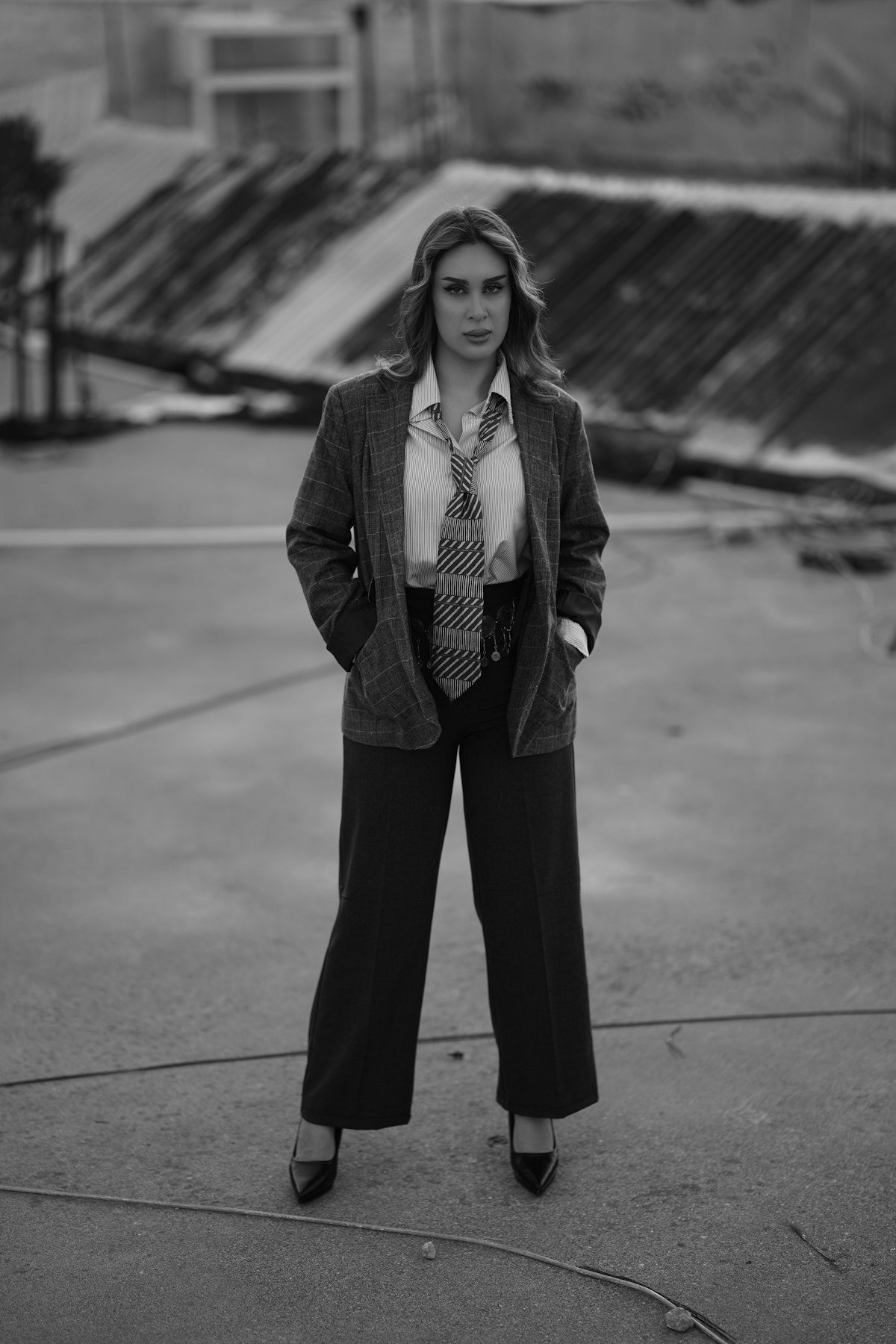
A pre-owned blazer may look complete in a full-outfit photograph while leaving a pocket detail unclear. Before assuming how it works, name the actual question. You may need to understand the stated condition of one opening or whether a visible feature is described as functional. A focused query keeps the purchase comparison attached to the specific jacket rather than the usual construction of a similar product.
Preserve the exact listing context
Keep the blazer's title, relevant size and product reference together. A seller can show several jackets or reuse a broader outfit image. The question should identify the garment genuinely offered, not just a saved crop of tailoring.
Read the supplied description first. It may already state the feature's scope or condition. A question based on information available in the listing adds less than one directed at the actual remaining gap.
Describe the visible feature neutrally
Name the pocket location in ordinary terms and explain what remains unclear. A small front image can conceal the opening or make a seam resemble another feature. Do not convert that uncertainty into a confident claim about damage or construction.
Avoid assuming function from symmetry. Two visible shapes on a jacket front do not establish that both have identical roles. Keep the actual item's supplied information as the basis for the comparison.
Ask for information that could change the decision
A focused question might request clarification of the feature described in the listing or a clearer view of the named area. Keep the request proportionate to the real purchase question rather than asking for a complete styled photo session.
Do not request private information unrelated to the garment. The relevant details concern the offered jacket's identity, scope and condition. Use the ordinary appropriate communication channel for the listing and retain relevant replies there.
Keep the answer with the candidate
Update the note when clarification arrives so the original assumption does not remain beside a contradictory message. If the seller cannot provide the detail, preserve that limit instead of filling it from another blazer's product page.
A missing answer can be a reason to pause or remove the candidate. It does not require an invented assurance that similar tailoring usually behaves the same way. Secondhand condition and construction information belong to the specific item.
Return to the intended outfit role
Name the actual clothes and plan the blazer would serve. A pocket question may matter to that role, or it may be a small visual detail rather than a carrying requirement. Keep the practical need distinct from the image's styling appeal.
One useful question can be enough. The goal is an understood garment, not an exhaustive conversation. A clear listing reference and focused query let the purchase comparison follow the actual blazer while the full-outfit photograph remains a limited view of its appearance.
Related reading
Blazer Fit: Look Beyond the Standing Mirror, An Outfit for a Day of Browsing Clothes.
Notes & further reading
Our styling suggestions are editorial guidance. Check the merchant’s size chart, fabric composition, care instructions and returns policy before buying.