Some links on Girl Wonder Life are affiliate links. We may earn a commission if you buy through them, at no extra cost to you. Recommendations are editorial guidance, not claims of hands-on testing. Read our disclosure.
A printed tote can attract attention as a colourful outfit detail and then seem to require several new companions. Begin with a small group of suitable clothes already owned. The tote still needs an actual carrying role within its product guidance. A useful outfit can let the design remain visible without making every colour or motif responsible for another purchase.
Identify the tote’s practical job
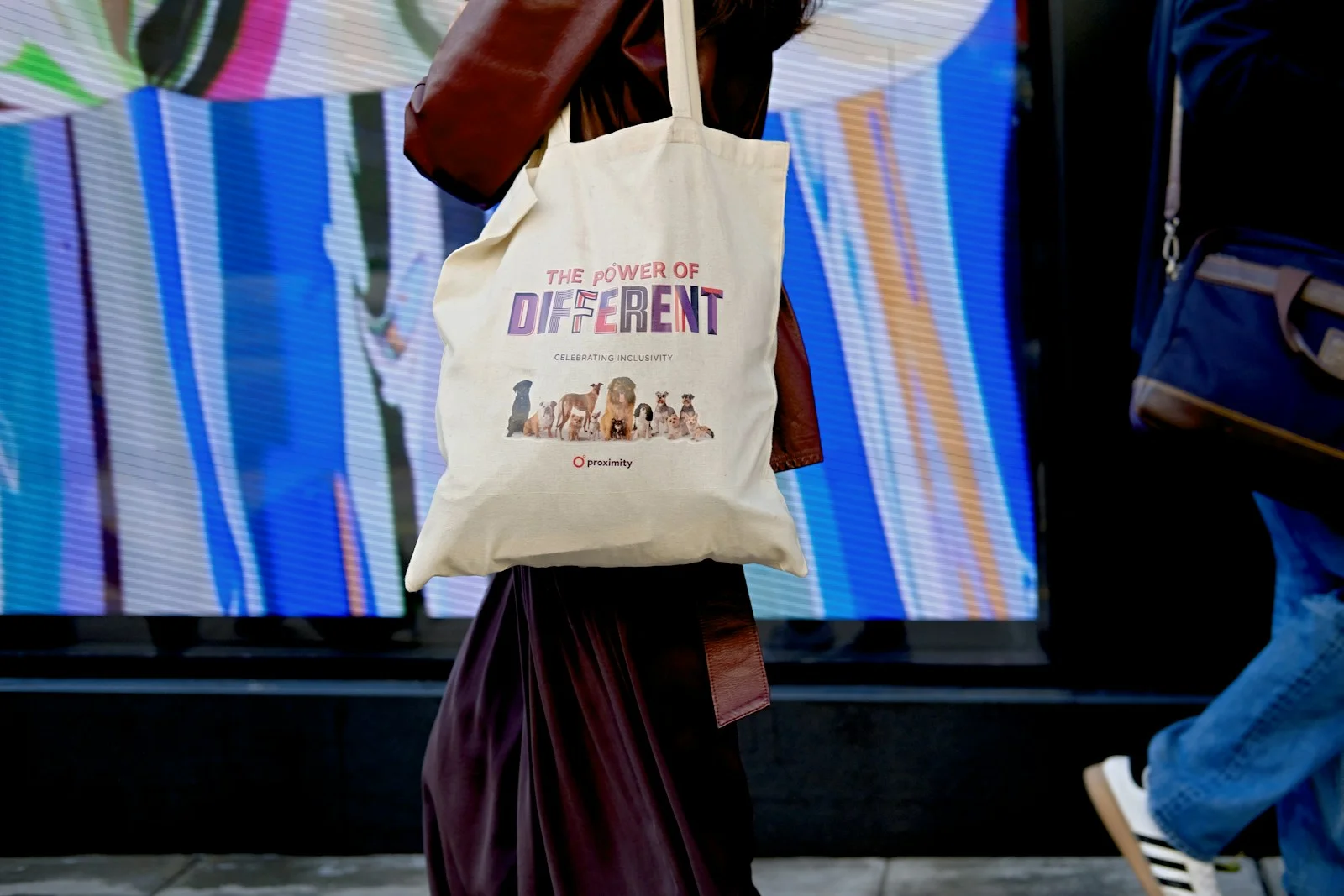
Read relevant product information and consider the belongings it will genuinely carry. Keep any stated guidance central rather than inferring capacity or material from its appearance. An empty bag beside a colourful wall does not establish the arrangement of your own contents.
Preserve an unanswered product question where it matters. A printed surface can support recognition without identifying construction. Seek appropriate clarification instead of borrowing instructions from another tote with a similar outline.
Choose familiar clothing first
Select a base outfit suited to the actual activity and your preference. Review the garments independently, including ordinary readiness and relevant care information. The bag should join a considered combination rather than distract from an unresolved fit question.
Keep the supporting group small enough to understand. A familiar top and lower garment may be sufficient. You do not need to buy several matching pieces to make an existing tote feel legitimate in the wardrobe.
Review the visible design relationship
Look at the actual pieces together in suitable light. Decide whether you prefer the print to stand out or share attention with another detail. Both choices can remain personal without becoming a universal rule about patterned accessories.
Treat screen images as approximate references. Lighting and camera processing can change colour, while a cropped view may show only part of the design. Keep actual product identity and written information separate from the visual comparison.
Include the ordinary carrying arrangement
Use intended handles or straps with real belongings within guidance. A decorative loop should not become an alternative carrying point because it produces a preferred outline. Observe where the bag sits beside the clothes through gentle ordinary movement in a suitable space.
Add and remove the outer layer if it belongs in the plan. The base outfit should retain an understood role when the layer comes off. Give each removed item an appropriate temporary place rather than using the tote as improvised clothing storage.
Preserve a specific option
A short private note can name the tote and supporting garments if the combination helped. Keep a limitation specific to the actual load and activity. Another day may call for a different bag or clothing group without invalidating the first pairing.
After wearing, follow the products’ respective care and storage guidance. A small supporting group allows a printed tote to participate in ordinary dressing with a clear practical job, preserving personal preference without turning an appealing design into a complete coordinated shopping obligation.
Continue planning with Two Patterns, One Colour Link and a Clear Difference in Scale, An Everyday Handbag With a Clear Job.
Notes & further reading
Our styling suggestions are editorial guidance. Check the merchant’s size chart, fabric composition, care instructions and returns policy before buying.