Some links on Girl Wonder Life are affiliate links. We may earn a commission if you buy through them, at no extra cost to you. Recommendations are editorial guidance, not claims of hands-on testing. Read our disclosure.
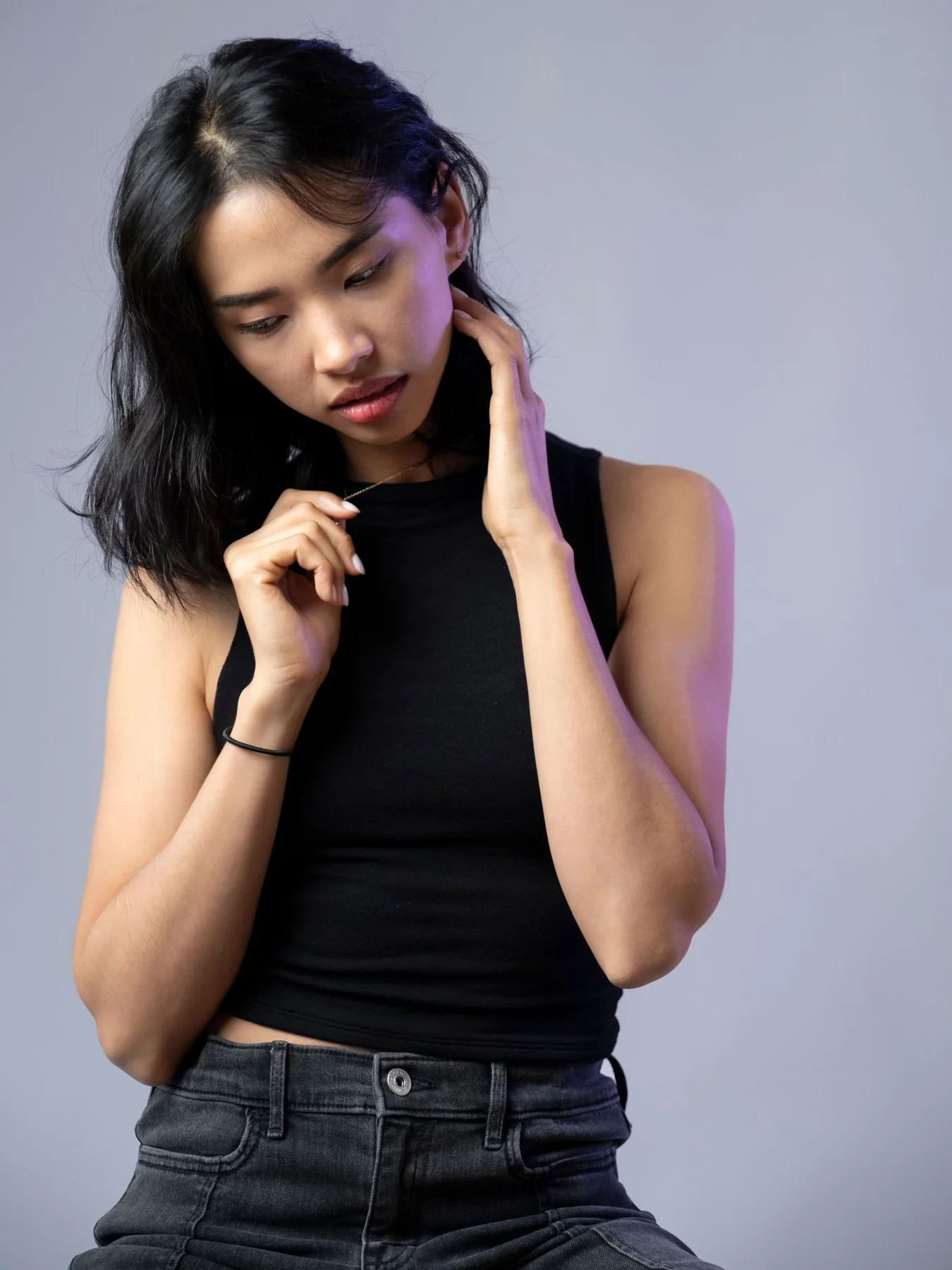
A tank beneath an open cardigan or overshirt can make a straightforward indoor outfit. Its usefulness depends on the base being comfortable when the front layer comes off. Assess neckline, straps and armholes according to your own preferences before relying on the extra garment. A simple-looking top can have a specific role without being expected to work beneath every layer or remain invisible in every outfit.
Try the intended supporting layers
Wear the items you normally choose underneath and assess coverage from the front, sides and back. Check while seated as well as standing. If straps or armholes need repeated pulling, compare another cut rather than assuming the cardigan will stay closed throughout the day. The base should feel like a complete top in the setting where it may become visible. A small packing size is not a substitute for that comfort.
Move with the front layer open
Put on the cardigan or overshirt and reach naturally. Notice whether its surface catches the tank or pulls the straps. A close outer layer and a loose tank can create different movement from the opposite pairing. Keep the test specific to the garments you plan to wear. Do not add clips or improvised attachments to force two unsuitable necklines into alignment.
Check the waistband relationship
Use the actual jeans, trousers or skirt. Compare a modest tuck with wearing the tank outside where suitable. A long hem can bunch inside the waistband; a shorter one can lift during reaching. Check the seated back and sides. Choose the position that remains comfortable after moving instead of preserving a carefully arranged front view that needs correction each time the outer layer shifts.
Read fabric and care details
Assess coverage in ordinary light and follow return conditions for a new purchase. Product photographs do not establish how the material sits over your supporting layers. Read composition, washing and drying instructions. A very light tank may serve a layering role while another is better worn alone. Choose knowingly rather than expecting one version to do both without compromise or maintenance.
Include straps and accessories
Try the bag at a realistic load and check where its strap meets the tank and outer layer. Several shoulder lines can become uncomfortable even when each item works alone. Keep jewellery clear of catches and choose details because you enjoy them, not because a plain base seems unfinished. The outer layer's texture or the bottoms may already supply enough interest for the outfit.
What if the tank only works beneath one cardigan?
One useful pairing can be enough if it is worn and cared for realistically. Do not invent many possible combinations to justify it. The successful base makes temperature changes easier, remaining comfortable and complete after the outer layer is removed. It should reduce outfit effort rather than create a permanent cover requirement or another strap that must be supervised throughout the day.
Related reading
Spring Layers for a Day That Changes Its Mind, A Light Shirt That Still Works When the Jacket Comes Off.
Notes & further reading
Our styling suggestions are editorial guidance. Check the merchant’s size chart, fabric composition, care instructions and returns policy before buying.