Some links on Girl Wonder Life are affiliate links. We may earn a commission if you buy through them, at no extra cost to you. Recommendations are editorial guidance, not claims of hands-on testing. Read our disclosure.
Layering jewelry can make familiar clothes feel more personal, but more pieces do not automatically make a stronger outfit. A useful combination has enough space for each detail to be seen and enough comfort for you to forget about it during the day. Start with one piece you already enjoy wearing. Let the neckline, sleeve length and your plans determine what, if anything, you add around it.
Pick a starting piece
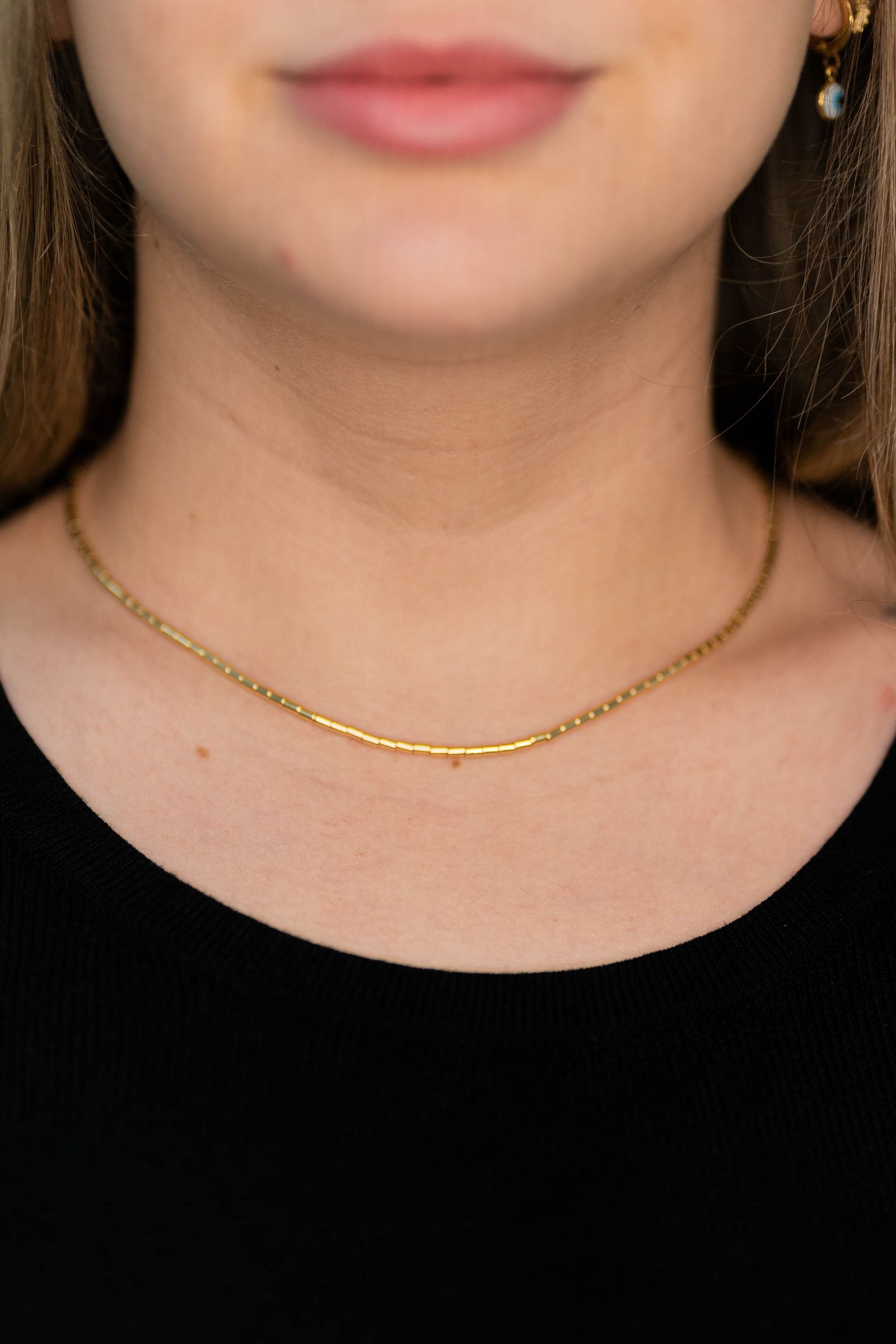
Choose a necklace, earrings or a bracelet that feels natural with the outfit. It could be a pendant with sentimental value or a simple chain worn regularly. Use that piece to set the scale. Delicate jewelry can sit alongside a larger detail, but it helps to decide which element you want noticed first. You are building a relationship rather than completing a prescribed set.
Try the outfit with just that first piece. Look at it from a normal conversational distance instead of concentrating only on a close mirror view. Sometimes the combination already feels complete. If you want another detail, add one and compare. This gradual approach makes it easier to see what the addition contributes and avoids reaching for every favorite item at once.
Give necklaces room
For layered necklaces, compare lengths while wearing the intended top. Two chains that seem different laid flat may sit close together around your neck. A pendant can pull one chain lower and affect the arrangement. Check how the pieces behave when you bend forward and turn. Some movement is normal, but constant tangling can make a visually appealing combination inconvenient.
Necklines create a frame. An open shirt offers a different space from a high knit or a narrow crew neck. Try placing a necklace above the neckline, within the opening or over the fabric, depending on the garment. There is no required length for a particular neckline. Look for a clear arrangement that does not catch on buttons, trim or textured fabric during ordinary movement.
Balance the surrounding details
If layered necklaces are the main feature, compare smaller earrings with a more noticeable pair. One option may feel calmer, while the other gives the expression you want for an evening. The point is to choose deliberately. A strong earring and necklace can work together when you enjoy their relationship, just as a single detail can be enough for a quiet outfit.
Bracelets and rings deserve a practical trial too. Consider typing, carrying a bag and putting on an outer layer. A bracelet that catches beneath a cuff or a ring that interferes with a familiar task may belong to a different occasion. Check clasps and fit without forcing a tight closure. Comfort is part of the styling decision rather than something to address after purchase.
Mix metals with intention
You can combine metal colors if you like the result. Repeating a tone in more than one place is one way to make the mix feel considered; choosing a piece that already contains both colors is another. Neither is necessary. Try what you own first, since the idea that every detail must match can create unnecessary purchases.
Texture and shape can connect pieces as effectively as metal color. Smooth links might echo a polished earring, while a small geometric detail can relate to another angular piece. Be careful with elaborate combinations that look coherent only when perfectly arranged. The jewelry should still feel like you once a chain turns or a sleeve moves over a bracelet.
Shop for a specific gap
Identify what your existing collection cannot do. Perhaps two favorite pendants sit at the same length, or you lack an everyday earring that works with stronger necklaces. Search for that missing role. Check dimensions in the product description, since photographs can make small pieces appear substantial. Use a ruler or a familiar item to understand the actual size.
Read the stated materials, care guidance and return conditions. If you have a known sensitivity, compare the product information with your own requirements and seek clarification from the seller when details are missing. Do not assume a finish or a broad description guarantees suitability. Some jewelry returns have special conditions, so understand them before opening packaging or wearing the piece.
Frequently asked questions
How many necklaces should I layer? Start with two and see whether another adds anything useful.
Can I layer sentimental pieces? Yes, provided the combination is comfortable and the pieces can be worn together without damage.
Must jewelry look expensive to finish an outfit? No. Appropriate scale, condition and a clear relationship to the clothes matter more than an imagined price signal.
Notes & further reading
Our styling suggestions are editorial guidance. Check the merchant’s size chart, fabric composition, care instructions and returns policy before buying.